












 Time:Jul 16, 2026
 Share:


Urolithin A is a gut-derived postbiotic — a compound the body produces from dietary polyphenols, though not everyone produces it efficiently. In fact, how much a person makes can vary widely from one individual to the next. This article explains what urolithin A is, how it works, its benefits and safety profile, and who stands to gain the most from supplementation.
Interest in gut-derived postbiotics is rising quickly, and urolithin A has emerged as one of the most extensively studied compounds in the space. What follows is a clear, evidence-based overview for formulators and informed readers alike, examining the compound, its function, and its global market status.
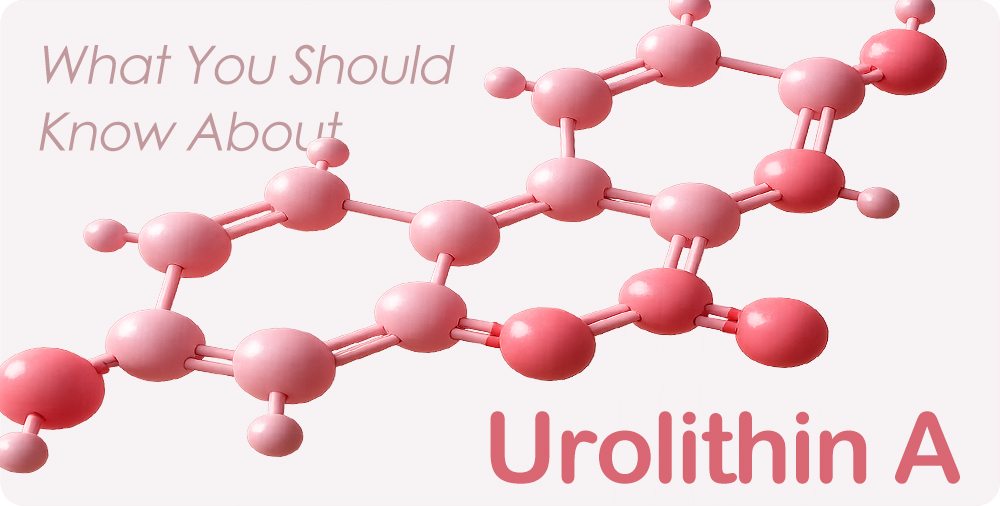
What Is Urolithin A?
Urolithin A is not found in food directly. It is produced in the gut when microbes convert ellagitannins and ellagic acid, the polyphenols found in foods such as pomegranate, walnuts, raspberries and strawberries [1].
First identified as a metabolite in the 1980s, urolithin A gained research attention once scientists confirmed that human gut bacteria generate it from dietary ellagic acid [1].
There is a catch. The ability to make urolithin A depends on each person's gut bacteria. Researchers describe three metabotypes: people who produce urolithin A, people who produce it along with related metabolites, and people who produce almost none [2].
This variation is wide. In some populations, close to 40% of adults are low or non-producers, so eating the right foods does not guarantee meaningful exposure [3]. A urolithin A supplement bypasses this variability and delivers consistent levels across the population.
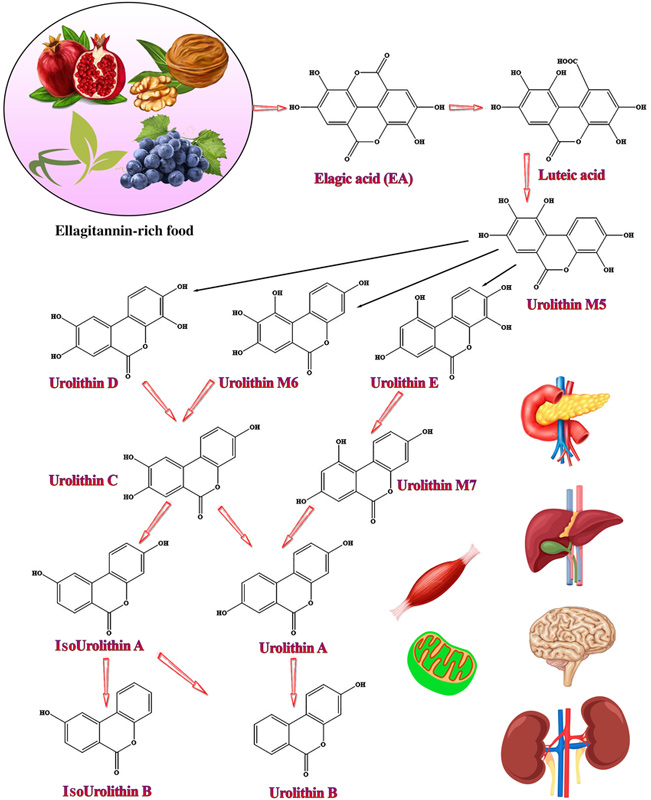
Figure 1: A schematic view of ellagitannins and ellagic acid gut microbiota metabolism pathway. https://doi.org/10.1002/ptr.7290
How Does Urolithin A Work?
Urolithin A is the most bioactive of the urolithins. Once absorbed from the colon, it behaves as a signaling molecule that engages several cellular pathways [4].
Two pathways are well characterized. In the gut, urolithin A activates the aryl hydrocarbon receptor (AhR) and Nrf2-dependent signaling, which support the intestinal barrier and antioxidant defenses [5]. It also interacts with SIRT1 and the PER2 clock protein, which help cells keep circadian time [6].
One point matters for product design. Native urolithin A has low water solubility and limited oral bioavailability, so the delivery format has a real effect on how much reaches circulation. This is why enhanced-delivery formats, such as optimized softgels and water-soluble systems, are used to improve absorption.
Benefits of Urolithin A
Research on urolithin A spans several areas. The sections below cover those with a solid and growing evidence base.
Digestive and Gut Barrier Support
Urolithin A helps maintain the intestinal barrier. Studies show it promotes secretory mucin production and strengthens tight junction proteins, which together reduce excess permeability [5]. As a postbiotic, it also reshapes the gut community, supporting beneficial bacteria and short-chain fatty acid production [7].
Sleep and Circadian Rhythm
Circadian health is an emerging area for urolithin A. In human senescent cells, it modulates PER2 through SIRT1 and strengthens the amplitude of the internal clock. In models of gut inflammation, it also helps restore healthy daily rhythms in the intestinal barrier [8].
Antioxidant and Cellular Defense
Urolithin A shows direct antioxidant activity in laboratory assays, helping neutralize reactive oxygen species and ease oxidative stress [9].
NAD⁺ Synthesis and NAD⁺/NADH Balance Support
Urolithin A may support endogenous NAD⁺ synthesis and help maintain NAD⁺/NADH balance, a key process involved in cellular homeostasis. Emerging research suggests that this pathway may contribute to healthy aging by supporting age-related metabolic balance and cellular resilience[10].
Safety of Urolithin A
Data on urolithin A side effects and overall safety is reassuring in the studies available so far.
Animal toxicology found no adverse, dose-related effects, with a high no-observed-adverse-effect level [11]
Genotoxicity tests, including the Ames test and an in vivo micronucleus assay, were negative [11]
In a human Phase I study, single doses up to 2,000 mg and daily doses up to 1,000 mg for 28 days were well tolerated, with no serious adverse events [4]
Reported effects were mild and self-limiting, with no clinically relevant impact on liver, kidney or blood measures [4]
Studied urolithin A dosage generally ranges from 250 to 1,000 mg per day. As with any supplement, long-term continuous use warrants further study, and people who are pregnant, breastfeeding or taking medication should consult a healthcare professional.
Urolithin A vs NAD+
This comparison causes a lot of confusion, so the distinction is worth making clearly.
NAD+ boosters, such as NMN and NR, are precursors. They supply raw material that cells use to build the NAD+ coenzyme. Urolithin A is different. It is a gut-derived metabolite rather than an NAD+ precursor, and it engages its own set of signaling pathways[3].
In practice, the two sit in different categories of the longevity toolkit, and many formulators view them as complementary rather than interchangeable. Shoppers comparing "NAD vs resveratrol vs urolithin A" are really comparing three different mechanisms, not three versions of the same ingredient.
Who Is Urolithin A For—and Who Is Not?

Suitable Populations
1. Low or Non-Producers of Urolithin A
Many adults lack the gut bacteria to make urolithin A from diet. For them, a urolithin A supplement offers direct access to the molecule [3].
2. Adults Focused on Gut and Digestive Wellness
Those who want to support the intestinal barrier and a balanced microbiome may find urolithin A a relevant addition [5].
3. People Interested in Sleep and Circadian Support
Given its role in clock-gene regulation, urolithin A is of interest for circadian and rest-focused formulations [6].
4. NAD⁺ Metabolism and Healthy-Aging Consumers
Emerging research suggests that urolithin A may support endogenous NAD⁺ synthesis and NAD⁺/NADH balance, making it an ingredient of interest for healthy-aging products focused on cellular resilience [10].
Populations Requiring Caution or Avoidance
Pregnant or breastfeeding women
Children and adolescents
Anyone on prescription medication or with an existing medical condition, who should seek medical advice first
Urolithin A Recommended Formulations
Urolithin A is often paired with complementary actives to target specific goals. Common directions include:
| Functional Focus | Common Co-Ingredients | Formulation Rationale |
| Gut & digestive health | Akkermansia, probiotics, prebiotics, dietary fiber | Barrier and microbiome support |
| Sleep & circadian rhythm | Magnesium glycinate, L-theanine, glycine | Rest and daily-rhythm support |
| NAD⁺ metabolism | NMN, NR, Vitamin B3, Resveratrol, CoQ10 | Energy metabolism support |
| Longevity & cellular defense | Fisetin, spermidine, resveratrol, ergothioneine | Broad healthy-aging support |
| Antioxidant support | Ergothioneine, vitamin C | Reactive oxygen species defense |
For teams sourcing bulk urolithin A powder, the compound's low solubility makes delivery format a key decision, which is where high-bioavailability softgel and water-soluble options add value.
Regulatory Status of Urolithin A by Region
Urolithin A's status differs widely by market, which matters for global product planning. The status shown is current as of early 2026.
| Region | Regulatory Status |
United States | GRAS since 2018 (GRN No. 791) for shakes, beverages, bars and yogurts, typically 250 to 500 mg per serving |
European Union | Novel Foods application submitted but not yet listed. Classified as a skin-conditioning cosmetic ingredient in CosIng |
Japan | Not a FOSHU or FFC food. Listed cosmetic ingredient (No. 568037), usable topically with a safety assessment |
South Korea | Not approved as a health functional food. Listed as a skin-conditioning cosmetic ingredient |
Australia / New Zealand | Non-traditional / novel food. Permitted as an active in listed medicines; until 19 Sep 2027 Timeline is the primary sponsor, oral use only, max 1,000 mg/day, adults only |
Canada | Classified as a Natural Health Product (medicinal). Also permitted as a topical skin-conditioning cosmetic agent |
| China | Not approved as a food ingredient. Two cosmetic new-ingredient filings on record |
Regulations change over time, so confirm the current requirements for your target market before formulating.
Introducing StanYouth® Urolithin A: The Premium Benchmark for Purity & Efficacy
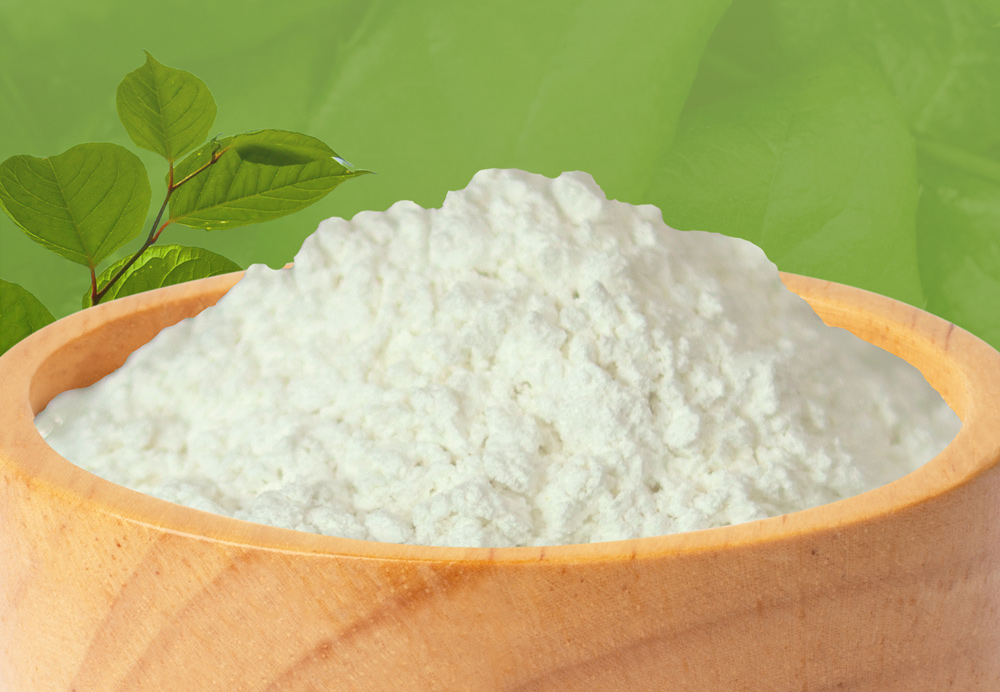
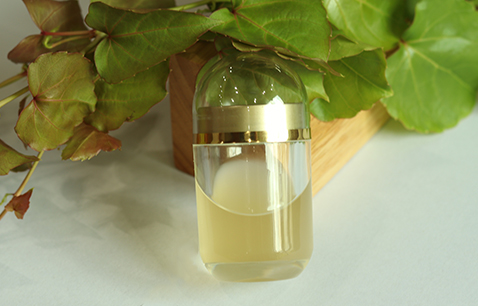
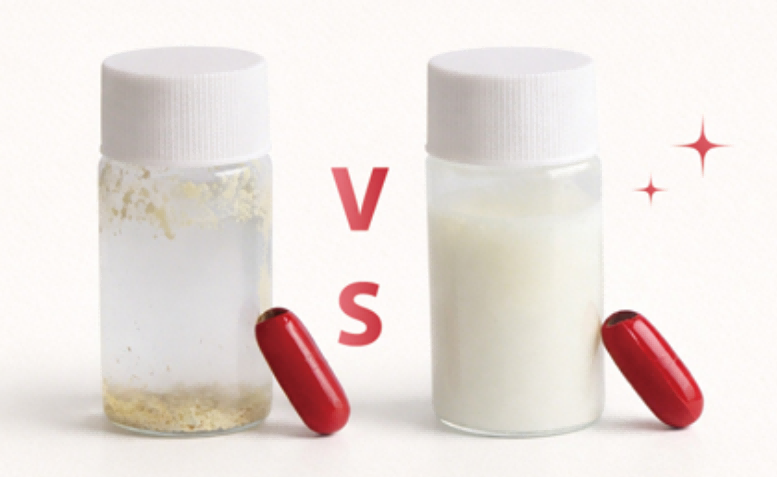
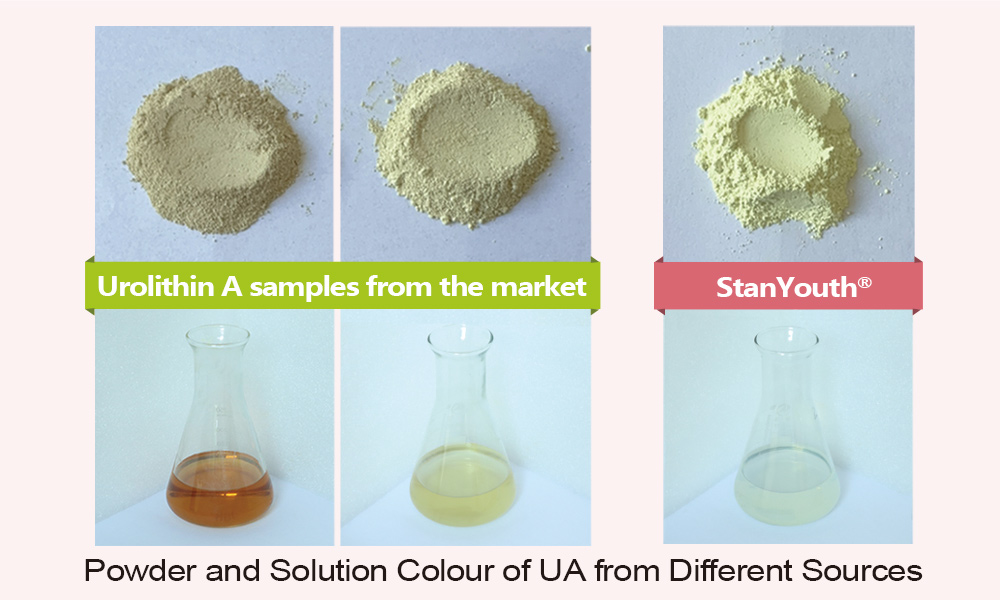
Sourcing raw Urolithin A can be challenging, as market materials often vary from gray to brown, reflecting unstable purity and hidden impurities. StanYouth Urolithin A resolves these industry pain points by setting a new benchmark for premium formulations.
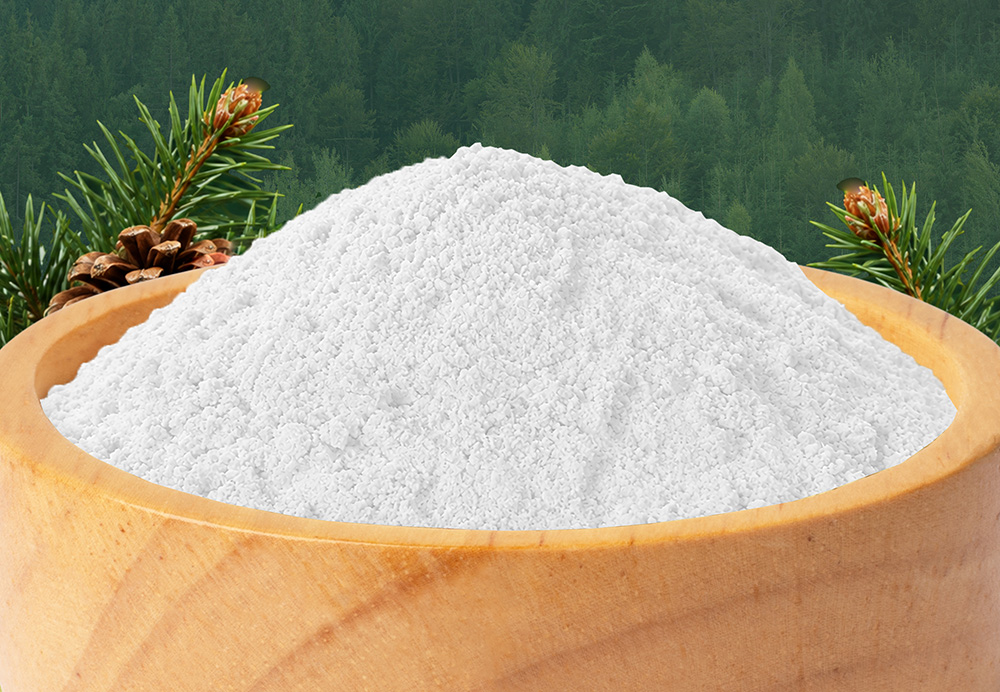
Ultra-High Purity: Delivers an off-white to pure white powder with excellent solution clarity, eliminating visual and chemical inconsistencies.
Enhanced Bioavailability: Particle-optimized to overcome Urolithin A’s native low solubility, making it ideal for high-absorption softgels and water-soluble delivery.
Global Compliance: Manufactured under strict cGMP, Canadian NHP, and cosmetic safety standards seamlessly.
Elevate your next gut health, longevity, or women’s wellness product with premium raw materials. Partner with StanYouth® Urolithin A today—contact our team for specifications, stability data, or samples.
This article is for informational purposes only and does not constitute medical advice. Please consult a qualified healthcare provider before starting any new supplement or treatment regimen.
References:
[1] Cerdá B, Periago P, Espín JC, et al. Identification of urolithin A as a metabolite produced by human colon microflora from ellagic acid and related compounds. J Agric Food Chem. 2005;53(14):5571–5576.
[2] Cortés-Martín A, García-Villalba R, González-Sarrías A, et al. The gut microbiota urolithin metabotypes revisited: the human metabolism of ellagic acid is mainly determined by aging. Food Funct. 2018;9(8):4100–4106.
[3] Singh A, D'Amico D, Andreux PA, et al. Direct supplementation with urolithin A overcomes limitations of dietary exposure and gut microbiome variability in healthy adults to achieve consistent levels across the population. Eur J Clin Nutr. 2022;76(2):297–308.
[4] Andreux PA, Blanco-Bose W, Ryu D, et al. The mitophagy activator urolithin A is safe and induces a molecular signature of improved mitochondrial and cellular health in humans. Nat Metab. 2019;1(6):595–603.
[5] Yasuda T, Takagi T, Asaeda K, et al. Urolithin A-mediated augmentation of intestinal barrier function through elevated secretory mucin synthesis. Sci Rep. 2024;14(1):15706.
[6] Kuatov R, Takano J, Arie H, et al. Urolithin A modulates PER2 degradation via SIRT1 and enhances the amplitude of circadian clocks in human senescent cells. Nutrients. 2024;17(1).
[7] Ma M, Wang Y, Fan S, et al. Urolithin A alleviates colitis in mice by improving gut microbiota dysbiosis, modulating microbial tryptophan metabolism, and triggering AhR activation. J Agric Food Chem. 2023;71(20):7710–7722.
[8] Du Y, Chen X, Kajiwara S, et al. Effect of urolithin A on the improvement of circadian rhythm dysregulation in intestinal barrier induced by inflammation. Nutrients. 2024;16(14).
[9] Cásedas G, Les F, Choya-Foces C, et al. The metabolite urolithin-A ameliorates oxidative stress in Neuro-2a cells, becoming a potential neuroprotective agent. Antioxidants. 2020;9(2).
[10] Zhu H, Zhao H, Qian H, Liu C. Urolithin A Ameliorates Athletic Ability and Intestinal Microbiota in Sleep Deprivation from the Perspective of the Gut-Muscle Axis. Mol Nutr Food Res. 2024;68(7):e2300599.
[11] Heilman J, Andreux P, Tran N, et al. Safety assessment of urolithin A, a metabolite produced by the human gut microbiota upon dietary intake of plant derived ellagitannins and ellagic acid. Food Chem Toxicol. 2017;108(Pt A):289–297.





 +1(425)866-9043
 sales@bonerge.com