





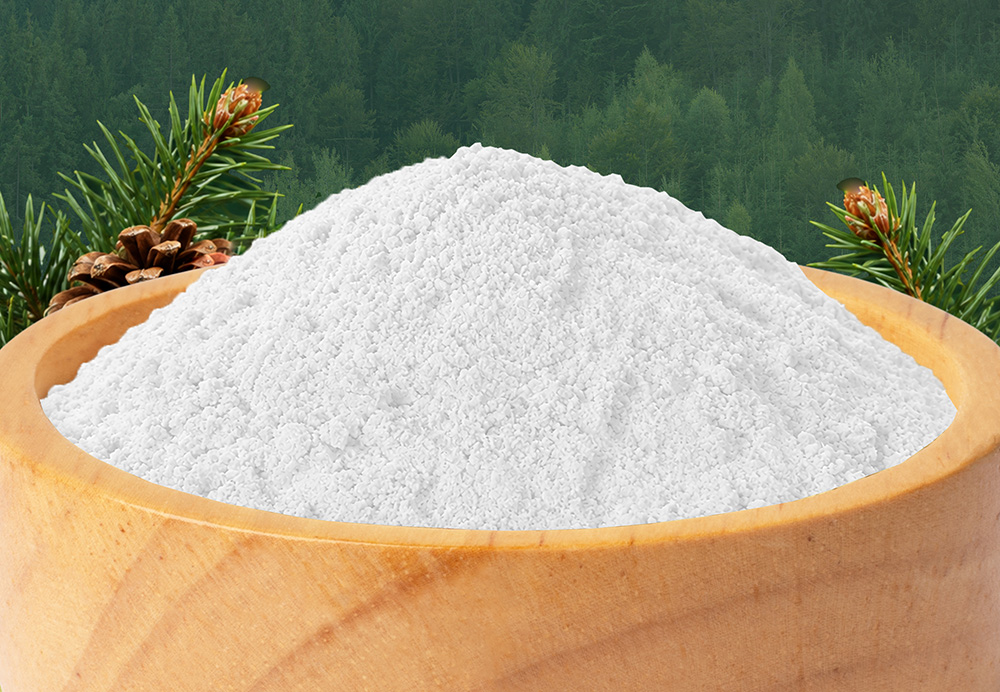
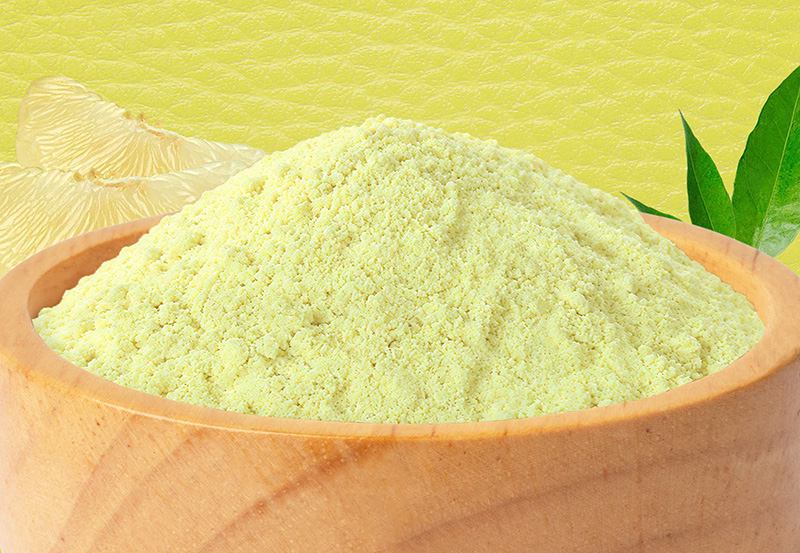
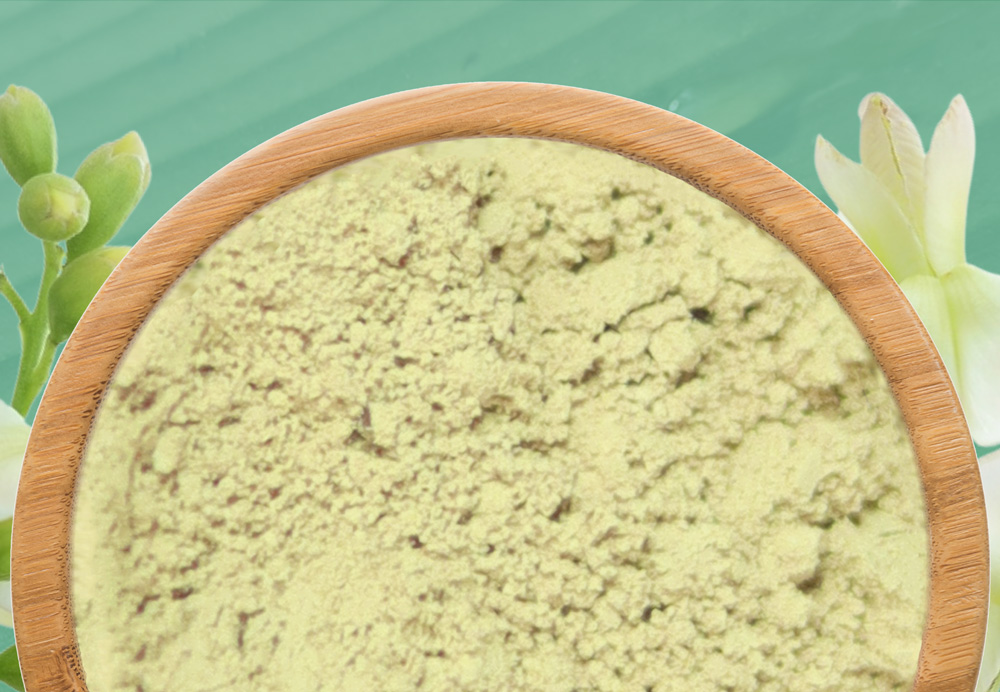
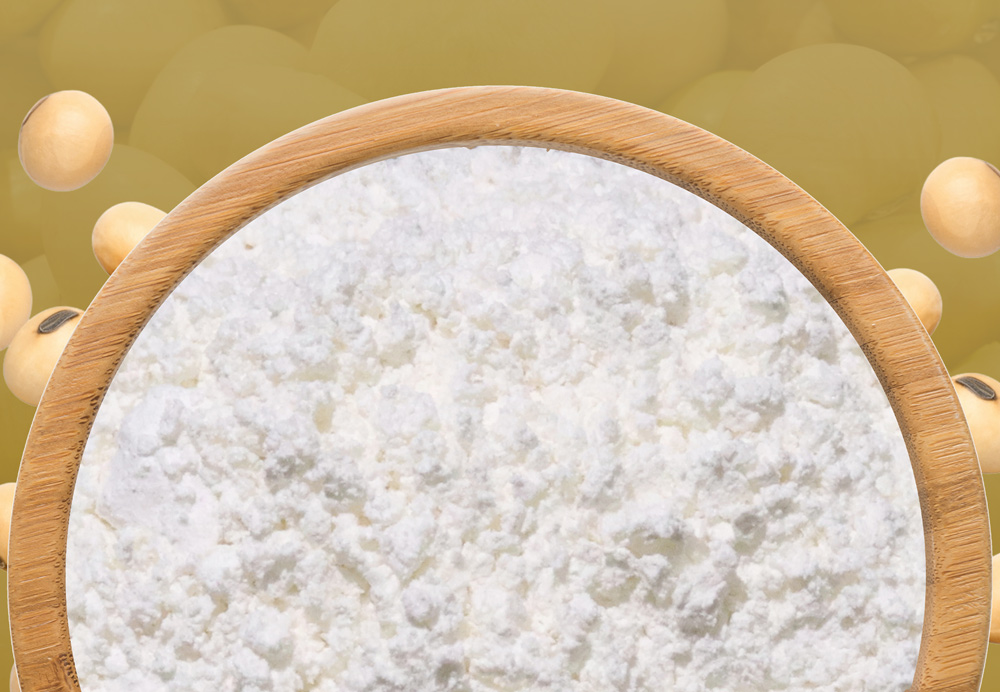







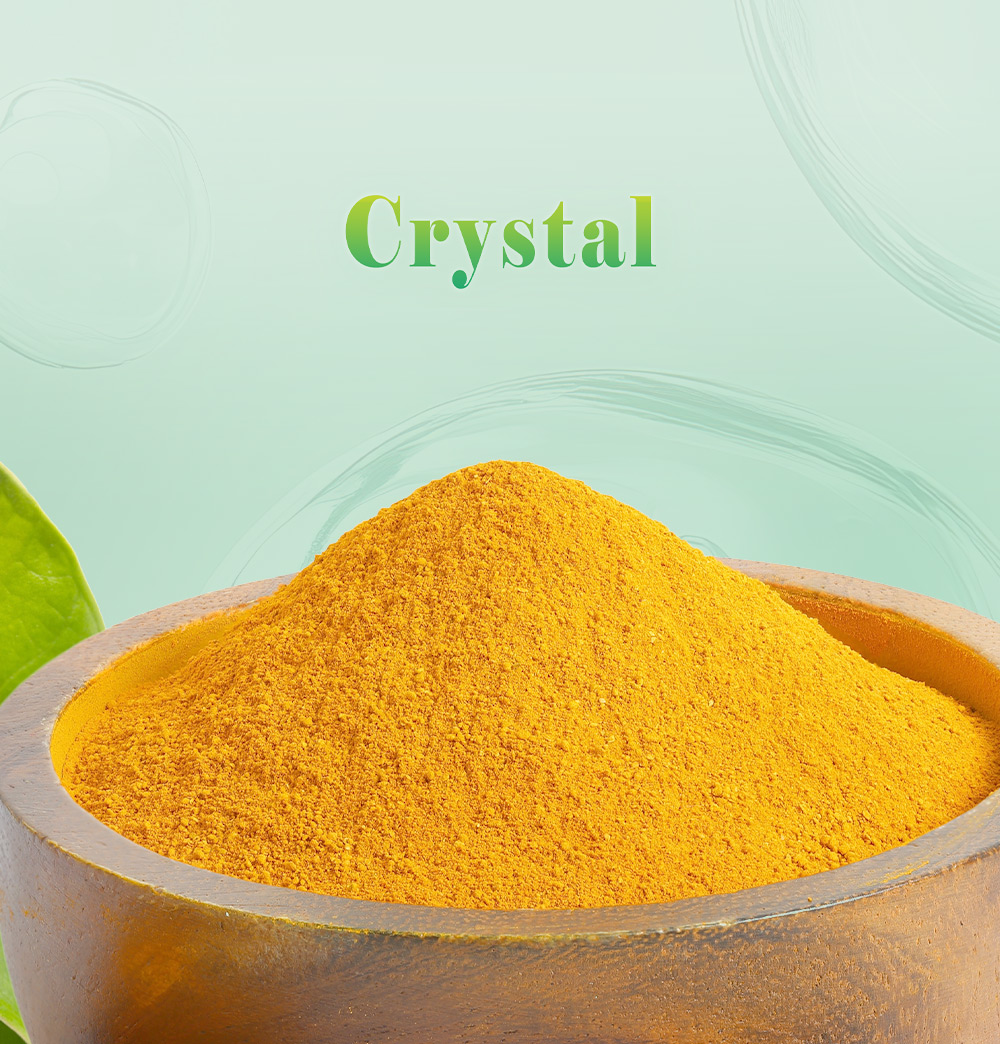
Unique Crystal Dihydroberberine(DHB)
What is Bonerge's Dihydroberberine?
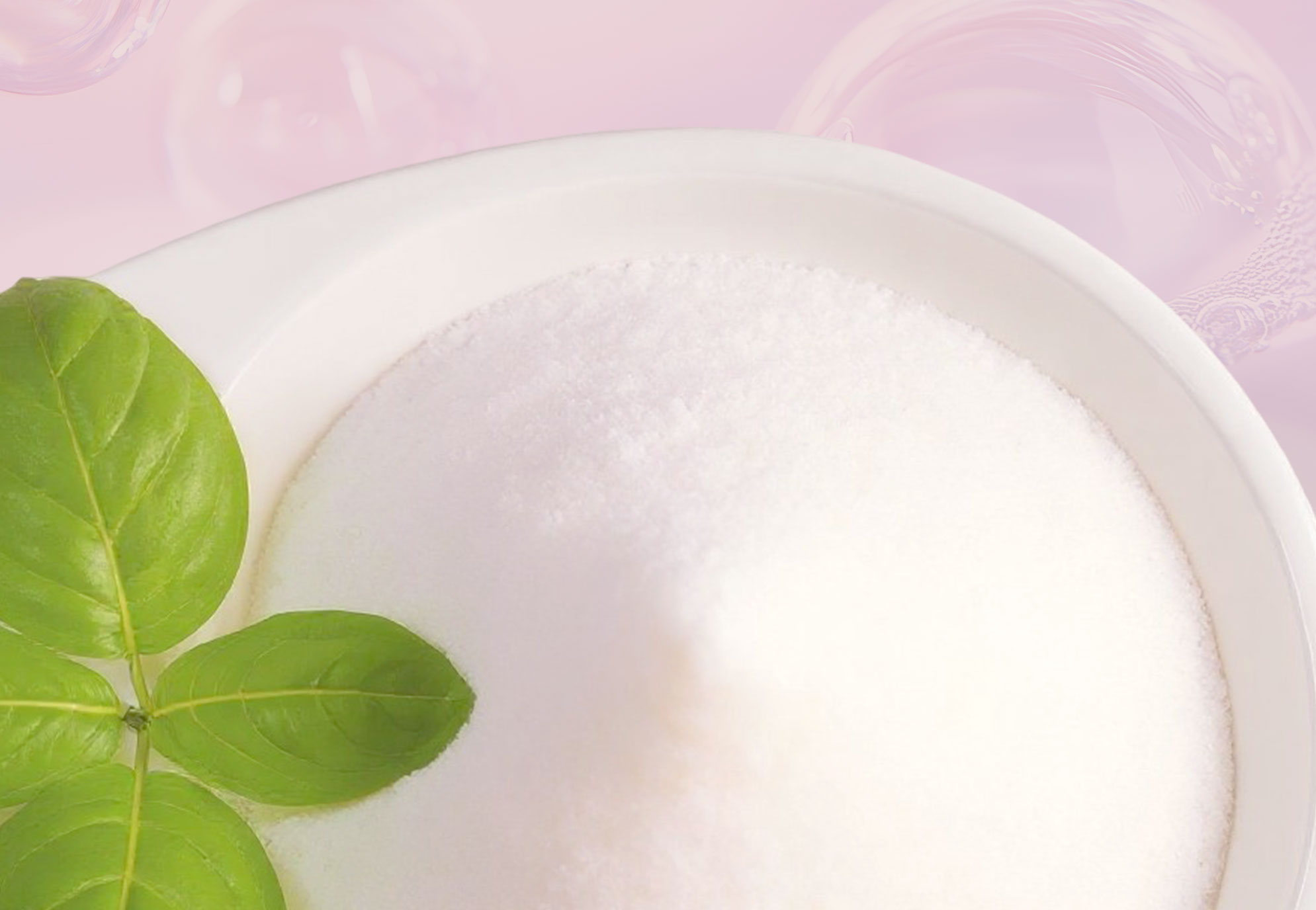
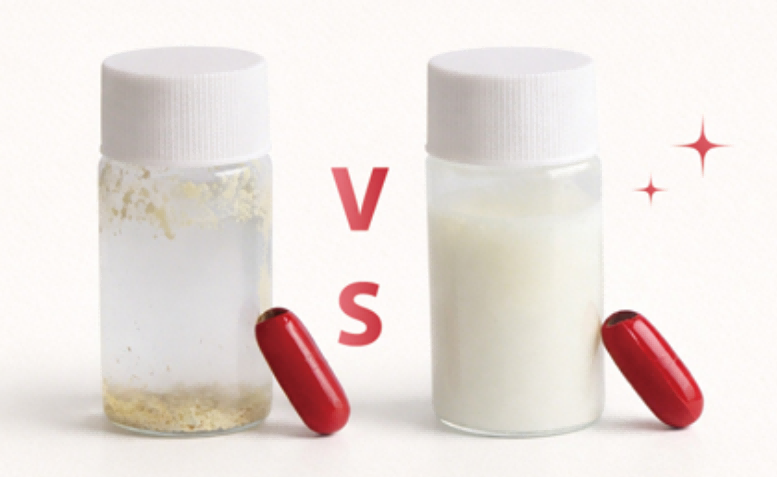
Bonerge's Dihydroberberine, produced via a patented process with optimized crystal structure, achieves higher purity and density, along with improved flowability and stability.

54× Higher Bioavailability
Based on berberine plasma concentration-time curves, the oral bioavailability of Bonerge DHB was 54 times higher than that of berberine.

Patented Process
Bonerge DHB produced via a patented process with optimized crystal structure.

Superior Purity
Purity & Assay > 98% (tested by HPLC with German reference standards).

Greater Stability
Enhanced stability—resists moisture absorption and degradation even when exposed to air.

About Dihydroberberine
Dihydroberberine, a natural alkaloid found in plants like Coptis and Phellodendron, is the reduced form of Berberine. It offers higher bioavailability and is more easily absorbed through the intestine, rapidly converting into Berberine upon entering the body.
Recent studies highlight Dihydroberberine’s strong liver-protective effects, ranking top among 2543 compounds tested, with potential to reduce fatty liver, visceral fat, and intestinal inflammation.
Health Benefits
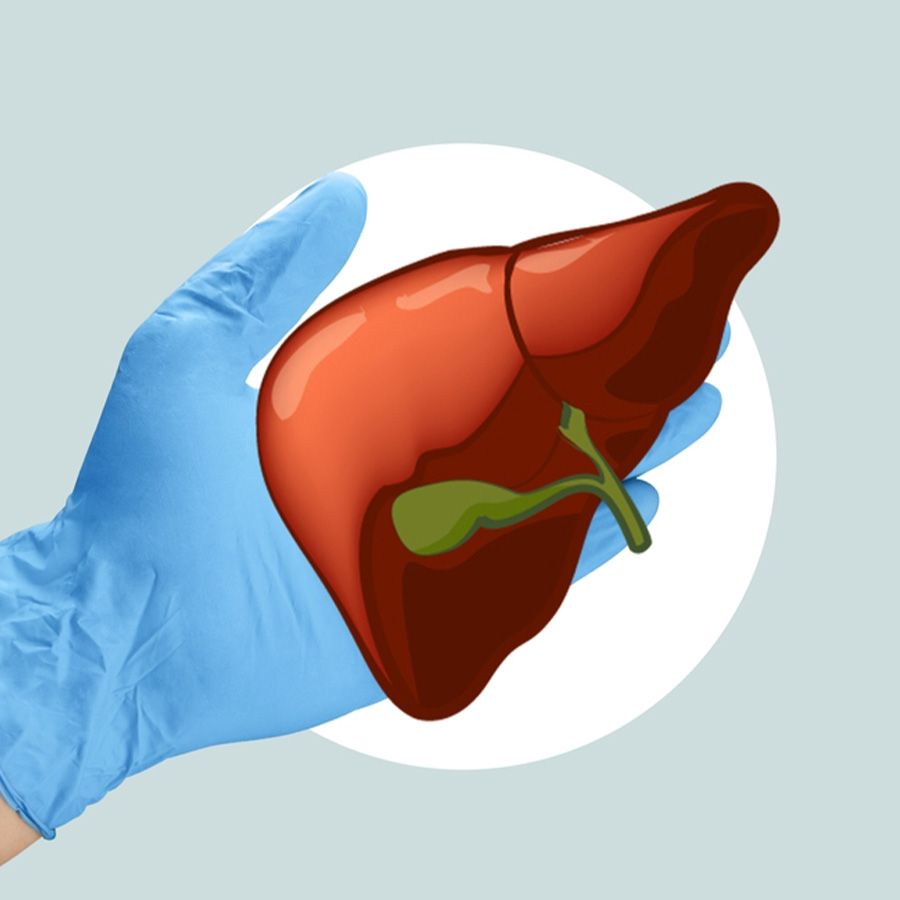
Top-performing liver protectant identified among 2543 compounds
In a recent study on non-alcoholic fatty liver disease (NAFLD), dihydroberberine was identified as the most active compound among 2543 candidates. It works by upregulating a specific microRNA—miR-122—in the liver, counteracting its iron-overload-induced decrease and thereby restoring its regulatory function.
Additionally, it reduces liver triglycerides and total fat, decreases levels of lipid peroxides (such as MDA and LPO), lowers liver injury markers (including ALT and AST), protects hepatocyte membranes, and alleviates liver fibrosis.
Pharmacological Research 215:p 107728, May 2025.

Reduces
Visceral Fat
In a HFD-induced obese mouse model, dihydroberberine (100 mg/kg/day) significantly reduced epididymal, muscular, and hepatic fat weights and improved insulin sensitivity, whereas berberine at the same dosage showed no significant effects on obesity or insulin sensitivity.
Diabetes, Vol57, May 2008, 1417.

Promotes
Cardiovascular Health
In vivo studies evaluating the anti-atherosclerotic effects revealed that dihydroberberine reduced aortic lesion area and enhanced plaque stability compared to the control group, while berberine at an equivalent dose demonstrated no beneficial outcomes.
Journal of Translational Medicine 2014, 12:326.
Improves
Intestinal Health
Goblet cells produce and secrete mucus to maintain colon mucosal barrier integrity. In vitro studies showed that DSS-induced damage to goblet cells was reversed by dihydroberberine.
Notably, dihydroberberine (50 mg/kg) performed significantly better than berberine and was comparable to 13 mg/kg AZA (an intestinal anti-inflammatory drug).
Phytomedicine 90 (2021) 153631.

In a recent study on non-alcoholic fatty liver disease (NAFLD), dihydroberberine was identified as the most active compound among 2543 candidates. It works by upregulating a specific microRNA—miR-122—in the liver, counteracting its iron-overload-induced decrease and thereby restoring its regulatory function.
Additionally, it reduces liver triglycerides and total fat, decreases levels of lipid peroxides (such as MDA and LPO), lowers liver injury markers (including ALT and AST), protects hepatocyte membranes, and alleviates liver fibrosis.
Pharmacological Research 215:p 107728, May 2025.
In a HFD-induced obese mouse model, dihydroberberine (100 mg/kg/day) significantly reduced epididymal, muscular, and hepatic fat weights and improved insulin sensitivity, whereas berberine at the same dosage showed no significant effects on obesity or insulin sensitivity.
Diabetes, Vol57, May 2008, 1417.
In vivo studies evaluating the anti-atherosclerotic effects revealed that dihydroberberine reduced aortic lesion area and enhanced plaque stability compared to the control group, while berberine at an equivalent dose demonstrated no beneficial outcomes.
Journal of Translational Medicine 2014, 12:326.
Goblet cells produce and secrete mucus to maintain colon mucosal barrier integrity. In vitro studies showed that DSS-induced damage to goblet cells was reversed by dihydroberberine.
Notably, dihydroberberine (50 mg/kg) performed significantly better than berberine and was comparable to 13 mg/kg AZA (an intestinal anti-inflammatory drug).
Phytomedicine 90 (2021) 153631.

Pharmacokinetics Study
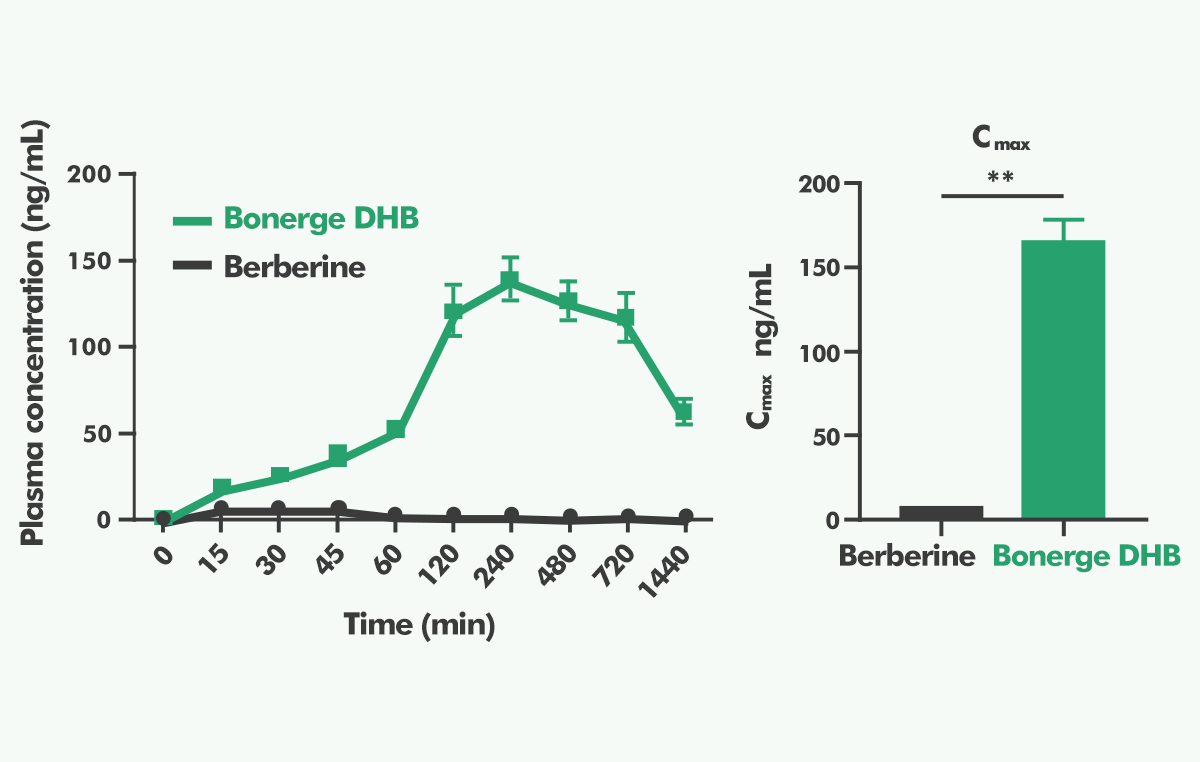
Bioavailability Comparison: Berberine vs. Dihydroberberine
Pharmacokinetic Evaluation: Based on berberine plasma concentration-time curves, the oral bioavailability of Bonerge DHB was 54 times higher than that of berberine.
Maximum Plasma Concentration (Cmax): The Cmax of berberine derived from Bonerge DHB was 19.12 times greater than that in the berberine control group.
Conclusion: These results confirm the enhanced absorption efficiency of dihydroberberine.

Available in

Tablets

Hard Capsule

Soft Capsule

Powders

Beverages

Gummies

Liquids
Recommended Formulation


Akkermansia
Metabolism Health:
Dihydroberberine can improve the abundance of Akkermansia to regulate lipid metabolism.

Beberine
Metabolism Health:
Berberine may irritate the intestines when taken in large doses. The high bioavailability of dihydroberberine can reduce the dose when compounded, and alleviate side effects while ensuring the effect.

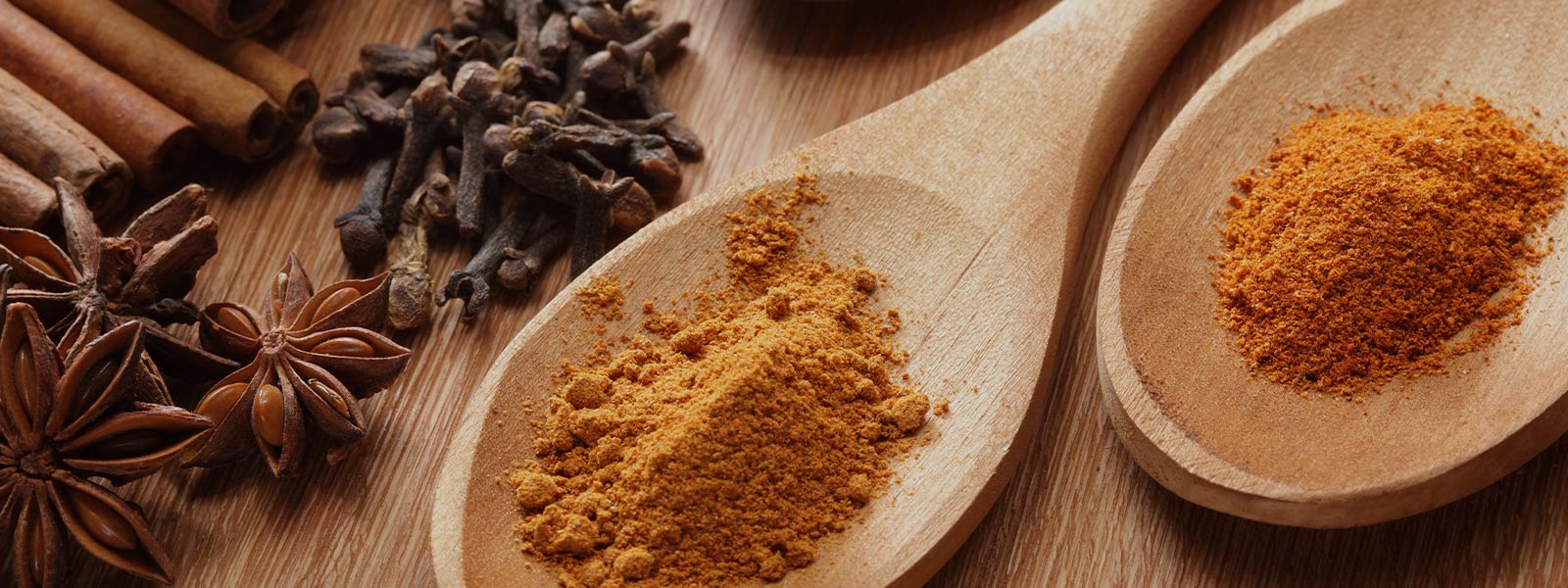
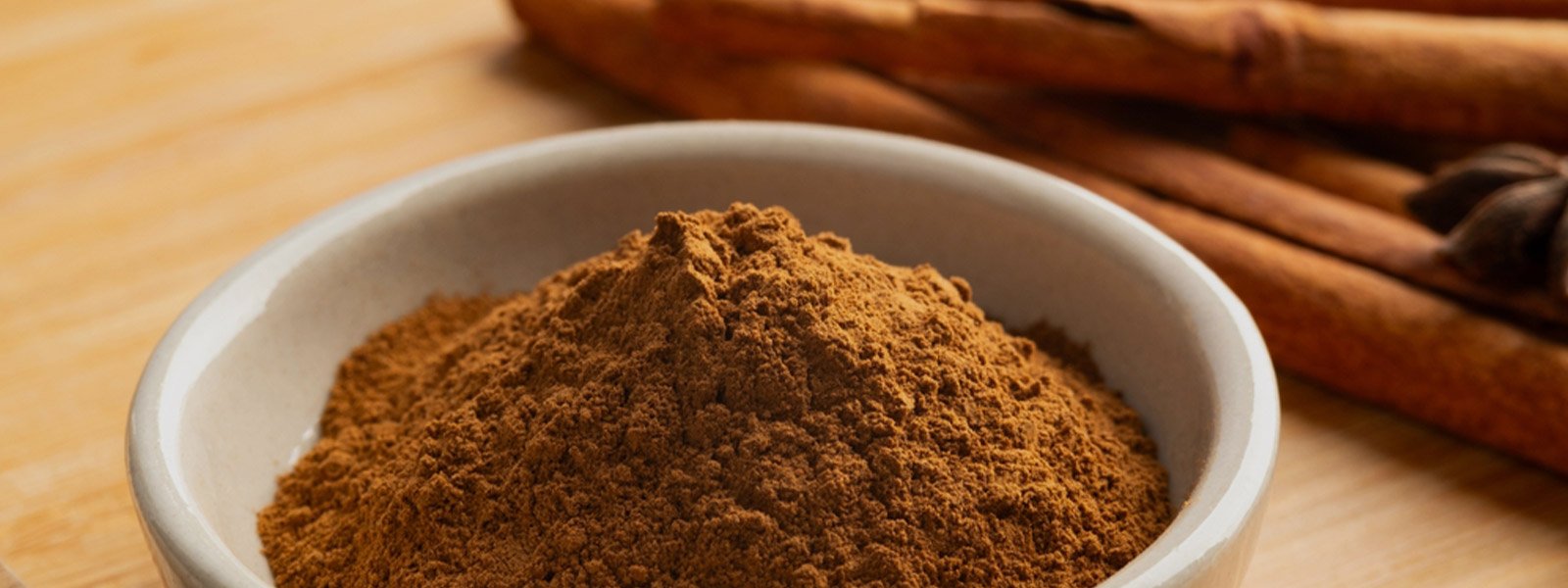
Cinnamon extract
Metabolism Health:
Composition of berberine and Cinnamon can adjust the metabolic balance of glucose and lipid. Dihydroberberine is a form of berberine with high bioavailability, and the effect is better when combined with Cinnamon.
Quality Assurance
NON-GMO
ISO-9001
Gluten-Free
BSE-Free
Halal Certified

Kosher Certified
HACCP
ISO 22000
Frequently asked questions
What is the difference between Dihydroberberine and Berberine?
What are the advantages and features of Bonerge's Dihydroberberine?
What is the most significant health benefit of Dihydroberberine?
What is the taste of Dihydroberberine, and what finished product forms can it be added to?
Does Bonerge's Dihydroberberine have Kosher, Halal, or other certifications?
Recommend Products
 Request
Sample

Leave Word
Have further questions? Our friendly experts will get back to you within 24 hours to assist you further


 +1(425)866-9043
 sales@bonerge.com