














 Time:May 22, 2026
 Share:


If you've tried quercetin for seasonal allergies, you may have heard of fisetin — its lesser-known but equally promising cousin. Both are natural flavonoids, both target the same root mechanisms behind allergy symptoms, and both are backed by a growing body of research. But when it comes to fisetin for allergies specifically, the science is more targeted than most people realize.
This guide breaks down what seasonal allergies actually are, how four well-researched supplements — Vitamin C, Omega-3, quercetin, and fisetin — may help support your body's response, and how quercetin and fisetin compare when allergy season hits.

What Are Seasonal Allergies?
Seasonal allergies (also called allergic rhinitis or hay fever) affect millions of Americans every year, typically peaking in spring and fall when pollen counts rise.
At their core, seasonal allergies are an immune overreaction. When your body encounters a harmless substance like tree pollen or grass spores, it mistakenly identifies it as a threat. This triggers a two-stage immune response [1]:
Stage 1 — Sensitization: On first exposure, your immune system produces IgE antibodies specific to that allergen. These antibodies attach to mast cells throughout your body — in your nasal passages, eyes, and skin — and essentially prime them for future encounters.
Stage 2 — Reaction: The next time you encounter the same allergen, those IgE-coated mast cells recognize it immediately and degranulate — releasing histamine, leukotrienes, and other inflammatory mediators within minutes. The result: sneezing, runny nose, itchy eyes, and skin irritation.
Several factors make spring particularly rough: rising pollen concentrations, stronger UV exposure, and temperature swings that weaken the skin barrier — all of which can amplify immune sensitivity [1]. Genetics also plays a role; if one or both parents have allergies, your likelihood of developing them increases significantly.
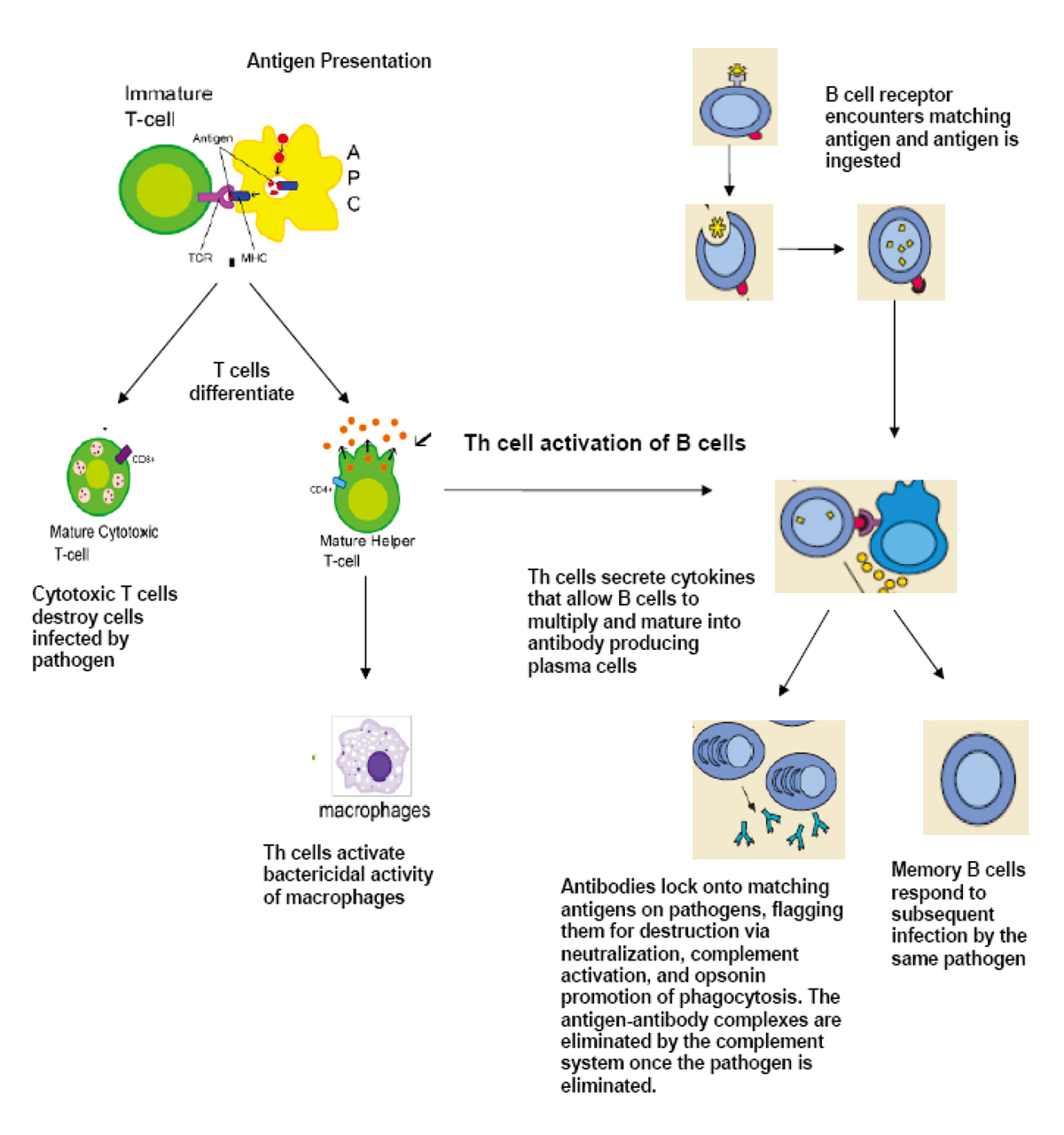
Figure adapted from: Doan T, et al. "An introduction to immunology and immunopathology." Allergy, Asthma & Clinical Immunology. 2011. Available at: https://www.researchgate.net/publication/51875109. Licensed under CC BY 2.0.
Managing seasonal allergies well means addressing both the acute response and the underlying immune imbalance. That's where nutritional support comes in.
Vitamin C: A Classic Immune Supporter
What Is Vitamin C?
Vitamin C (ascorbic acid) is a water-soluble antioxidant found in citrus fruits, bell peppers, strawberries, and leafy greens. It's one of the most well-studied micronutrients for immune function.
What the Research Shows
One of vitamin C's lesser-known roles is in histamine metabolism. A clinical study published in the Journal of the American College of Nutrition found that supplemental ascorbic acid significantly reduced blood histamine levels in healthy adults — with lower vitamin C status correlating with higher histamine levels [3].
Vitamin C also helps stabilize mast cells and supports the integrity of mucosal membranes in the nose and throat — the first line of defense against inhaled allergens. While it won't replace antihistamine medication during an acute reaction, consistent intake may help your body manage histamine load more efficiently over time.
Many people turn to vitamin C for allergies precisely because it's gentle, widely available, and well-tolerated. Daily intake from whole foods is a good baseline; supplementation at higher doses (500–1000 mg/day) is commonly used during allergy season as part of a broader strategy.
Omega-3 Fatty Acids: Calming the Inflammatory Response
What Are Omega-3 Fatty Acids?
Omega-3s are a family of polyunsaturated fats found primarily in fatty fish (salmon, sardines, mackerel), flaxseed, chia seeds, and walnuts. The most biologically active forms — EPA and DHA — are found in marine sources.
What the Research Shows
Omega-3s are best known for their anti-inflammatory properties, which are directly relevant to allergy symptoms. Allergic reactions don't just involve histamine — they trigger a broader inflammatory cascade affecting the respiratory tract and skin.
Research published in Frontiers in Immunology found that omega-3 supplementation was associated with reduced inflammatory markers in skin conditions including atopic dermatitis, with improvements in redness, itching, and barrier function [6]. For people whose seasonal allergies come with skin flares or significant nasal inflammation, omega-3s offer a complementary mechanism to flavonoid-based approaches.
A typical therapeutic dose in research studies ranges from 1–3 g of combined EPA/DHA per day.
Quercetin: The Best-Studied Flavonoid for Allergies
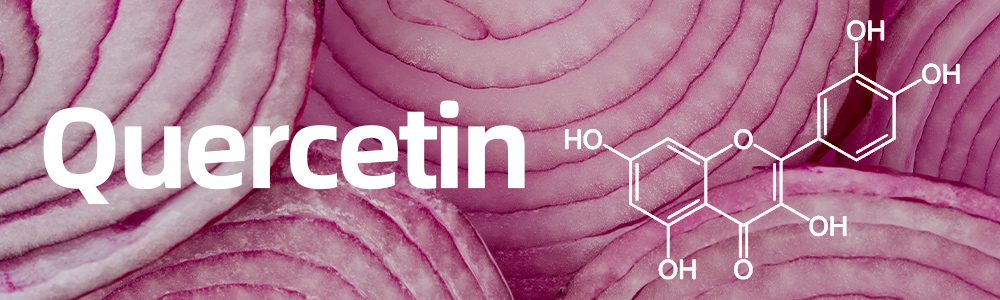
What Is Quercetin?
Quercetin is a yellow pigment and flavonoid found in apples, onions, capers, and green tea. It's one of the most widely researched plant compounds for immune modulation and allergy support.
What the Research Shows
Quercetin's anti-allergy reputation is well-earned. A study published in PLoS ONE found that quercetin was more effective than cromolyn sodium — a prescription mast cell stabilizer — at blocking cytokine release from human mast cells, and also reduced contact dermatitis symptoms in human subjects [4].
A 2016 review in Molecules outlined quercetin's multi-layered mechanism: it stabilizes mast cells and basophils to reduce histamine release, modulates T-helper cell balance (promoting Th1 and suppressing excessive Th2 activity), and provides antioxidant protection to mucosal tissues [5].
A 2025 meta-analysis in Frontiers in Pharmacology — pooling data from 13 animal model studies — confirmed that quercetin significantly reduced total IgE, allergen-specific IgE, histamine, and pro-inflammatory cytokines including IL-4, IL-5, and TNF-α. Human trials using quercetin-based formulations have shown meaningful symptom improvements when combined with standard antihistamine therapy.
For seasonal allergy support, quercetin is typically taken at 500–1000 mg/day, starting 2–3 weeks before peak pollen season to allow mast cell stabilization to take effect.
Fisetin: The Emerging Contender
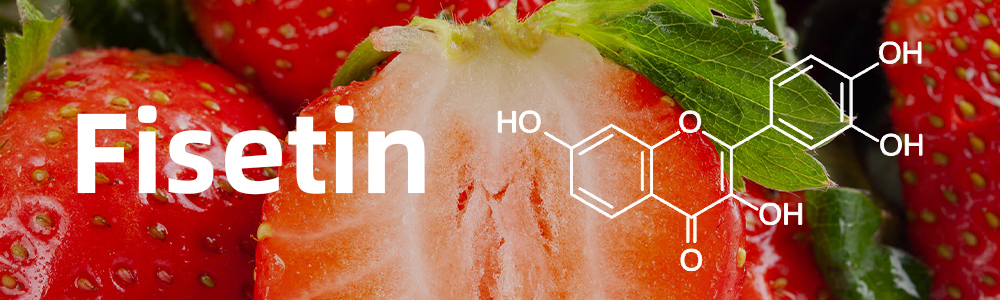
What Is Fisetin?
Fisetin is a naturally occurring flavonol found in strawberries, apples, persimmons, grapes, and cucumbers — with strawberries having the highest known concentration. Structurally similar to quercetin, fisetin has gained significant research attention in recent years, particularly for its senolytic activity (the ability to selectively clear damaged "senescent" cells that drive chronic inflammation).
What's less widely known is that fisetin also directly targets the mechanisms behind allergic reactions.
What the Research Shows
A key study published in the Journal of Nutritional Biochemistry found that fisetin inhibited IgE-mediated mast cell activation both in cell cultures and in a passive cutaneous anaphylaxis model in mice — significantly reducing histamine release and other inflammatory mediators involved in Type I hypersensitivity reactions [7].
Fisetin also suppresses multiple signaling pathways involved in mast cell inflammation. Research on human mast cells (HMC-1) showed that fisetin reduced gene expression and protein secretion of TNF-α, IL-1β, IL-4, IL-6, and IL-8, working through inhibition of p38 MAPK, ERK, and JNK phosphorylation and NF-κB activation.
One area where fisetin may have a distinct edge: itch. A study found that fisetin suppressed IL-31 production in human mast cells — IL-31 is a cytokine specifically linked to histamine-independent itch — and reduced scratching behavior in mouse models. For people whose allergies come with persistent itching that doesn't fully respond to standard antihistamines, this is a meaningful distinction.
Quercetin vs Fisetin for Seasonal Allergies
Both quercetin and fisetin act upstream of histamine release — stabilizing mast cells and reducing the IgE-triggered cascade that causes allergy symptoms. This is fundamentally different from how antihistamine medications work: rather than blocking histamine receptors after release, these flavonoids may help reduce how much histamine gets released in the first place.
Here's how they compare across key dimensions:
| Mechanism | Quercetin | Fisetin |
Mast cell stabilization | ✓ Strong, well-documented | ✓ Effective in vitro and in vivo |
IgE pathway inhibition | ✓ Confirmed in meta-analyses | ✓ Confirmed in animal models |
Histamine release reduction | ✓ Strong clinical evidence | ✓ Research-supported |
Itch (IL-31 pathway) | Limited research | ✓ Specific evidence |
Human clinical trials | ✓ Multiple RCTs | Limited |
Senolytic / cellular cleanup | Minimal | ✓ Primary mechanism |
Quercetin is the better-studied choice for seasonal allergy symptoms specifically — it has more human data and a longer track record of use. If you're looking for one supplement with the most research behind it for pollen-related sneezing, runny nose, and eye irritation, quercetin is the stronger starting point.
Fisetin brings complementary benefits: its senolytic properties help clear the inflammatory "background noise" of accumulated senescent cells, which may reduce baseline immune reactivity over time. Its specific effect on IL-31 also makes it worth considering if itching is a primary complaint.
Some people use both. The mechanisms are complementary rather than redundant, and there is no known interaction between the two compounds.
A Practical Framework for Allergy Season
Reduce exposure first. During high pollen days, wear a mask outdoors, keep windows closed, and rinse nasal passages with saline after coming inside. Reducing your allergen load reduces the demand on your immune system.
Use medication when needed. Second-generation antihistamines (like loratadine or cetirizine) are safe and effective for acute symptom control. Supplements are not replacements for medication — they're long-term support tools.
Start supplements early. Mast cell stabilization takes time. Beginning quercetin and/or fisetin 2–3 weeks before your typical allergy season gives them time to work. Vitamin C and omega-3s can be taken year-round.
Be consistent. Unlike antihistamines, which work on-demand, flavonoid-based support builds effect over time with consistent daily intake. Used together, quercetin, fisetin, vitamin C, and omega-3s represent some of the best supplements for seasonal allergies available without a prescription.
This article is for informational purposes only and does not constitute medical advice. Please consult a qualified healthcare provider before starting any new supplement or treatment regimen.
References:
[1] Zheng T, et al. The atopic march: progression from atopic dermatitis to allergic rhinitis and asthma. Allergy Asthma Immunol Res. 2014.
[2] Holgate ST. Innate and adaptive immune responses in asthma. Nat Med. 2012;18(5):673–683.
[3] Johnston CS, Martin LJ, Cai X. Antihistamine effect of supplemental ascorbic acid and neutrophil chemotaxis. J Am Coll Nutr. 1992 Apr;11(2):172–6.
[4] Weng Z, Zhang B, Asadi S, et al. Quercetin is more effective than cromolyn in blocking human mast cell cytokine release and inhibits contact dermatitis and photosensitivity in humans. PLoS One. 2012;7(3):e33805.
[5] Mlcek J, Jurikova T, Skrovankova S, et al. Quercetin and Its Anti-Allergic Immune Response. Molecules. 2016 May 12;21(5):623.
[6] Sawada Y, Saito-Sasaki N, Nakamura M. Omega 3 Fatty Acid and Skin Diseases. Front Immunol. 2021 Feb 5;11:623052.
[7] Jo WR, Park HJ. Antiallergic effect of fisetin on IgE-mediated mast cell activation in vitro and on passive cutaneous anaphylaxis (PCA). J Nutr Biochem. 2017 Oct;48:103–111.






 +1(425)866-9043
 sales@bonerge.com