














Sober Science for
Neuro Wellness
What Is NeuroSober® ?
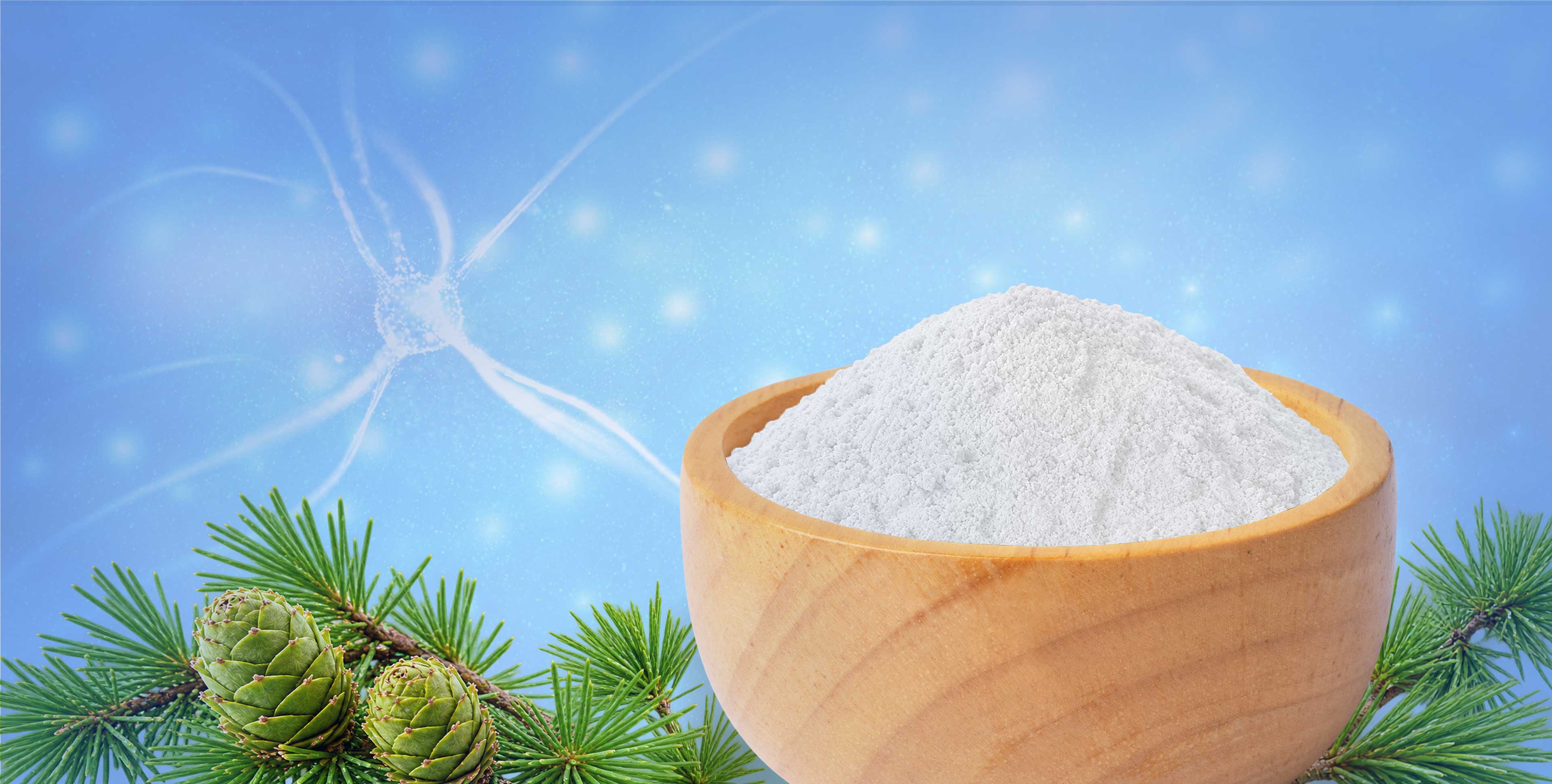
NeuroSober® is a premium dihydroquercetin (taxifolin) ingredient developed for nutraceutical applications, bringing the antioxidant potential of a natural flavonoid to research-driven formulations for cellular, neurological and cardiovascular wellness.
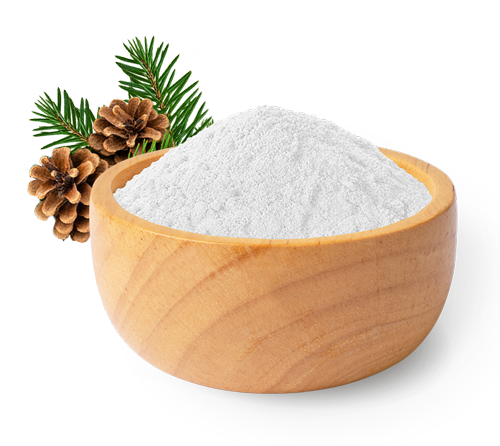

High Purity
Designed to deliver consistent ingredient specifications for quality-focused supplement development.

Rigorous Quality Control
Supported by appropriate analytical testing to verify ingredient identity, purity and batch consistency.

Reliable Supply
Developed to support dependable sourcing and long-term supply needs for nutraceutical manufacturers.

Research-Informed Applications
Dihydroquercetin has been studied for antioxidant activity, neuroprotective mechanisms, cardiovascular health and liver-related pathways.

About Dihydroquercetin
Dihydroquercetin, also known as taxifolin, is a naturally occurring flavonoid found in plants such as Siberian larch, milk thistle and Douglas fir. It is widely studied for its antioxidant and anti-inflammatory properties, with emerging research exploring its potential roles in neurological, cardiovascular and liver health.
Preclinical studies suggest that dihydroquercetin may help regulate oxidative stress and inflammatory signaling, protect neuronal cells and influence pathways associated with vascular function and lipid metabolism. These properties have attracted interest in nutraceutical applications focused on cellular protection and healthy aging. However, much of the current evidence comes from laboratory and animal studies, and further human clinical trials are needed to establish its health benefits and optimal use.
Health Benefits

Supports
Neurological Health
Preclinical research suggests that dihydroquercetin may influence oxidative stress, neuroinflammatory pathways and processes associated with neuronal function. Researchers have also investigated its potential effects on amyloid-β-related mechanisms and neuronal loss. Human evidence remains limited, and these findings do not establish cognitive enhancement or prevention of neurological disease.
Current Neuropharmacology 2023, 21(10), 2097–2109.
Enhances Antioxidant
& Cell Protection
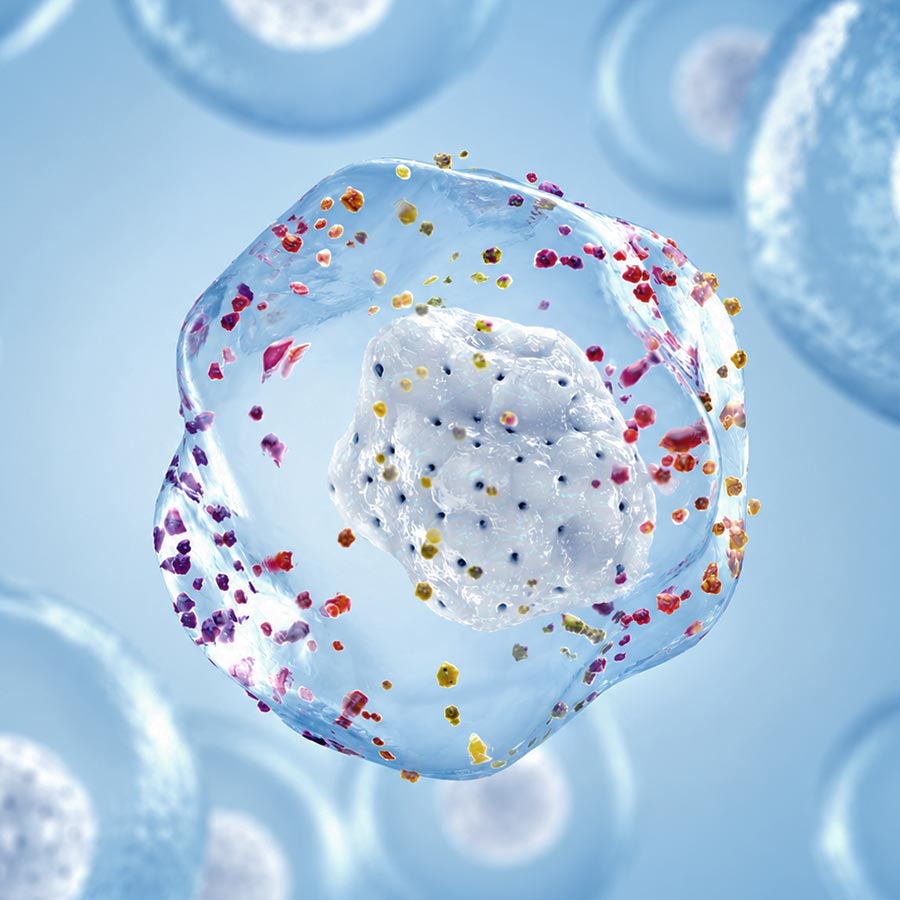
Dihydroquercetin has demonstrated free-radical-scavenging activity and effects on cellular antioxidant pathways in experimental research. These properties make it a candidate for nutritional formulations focused on antioxidant support and cellular resilience.
Phytochemistry 2019, 166, 112066.

Promotes
Cardiovascular Health
Research has investigated dihydroquercetin's antioxidant and anti-inflammatory effects in relation to vascular function, cholesterol metabolism and cardiovascular pathways. Most findings are from preclinical models, and further clinical studies are needed to confirm meaningful cardiovascular benefits in humans.
International Journal of Molecular Sciences 2025, 26(16), 8051.
Optimizes Liver
& Metabolic Health
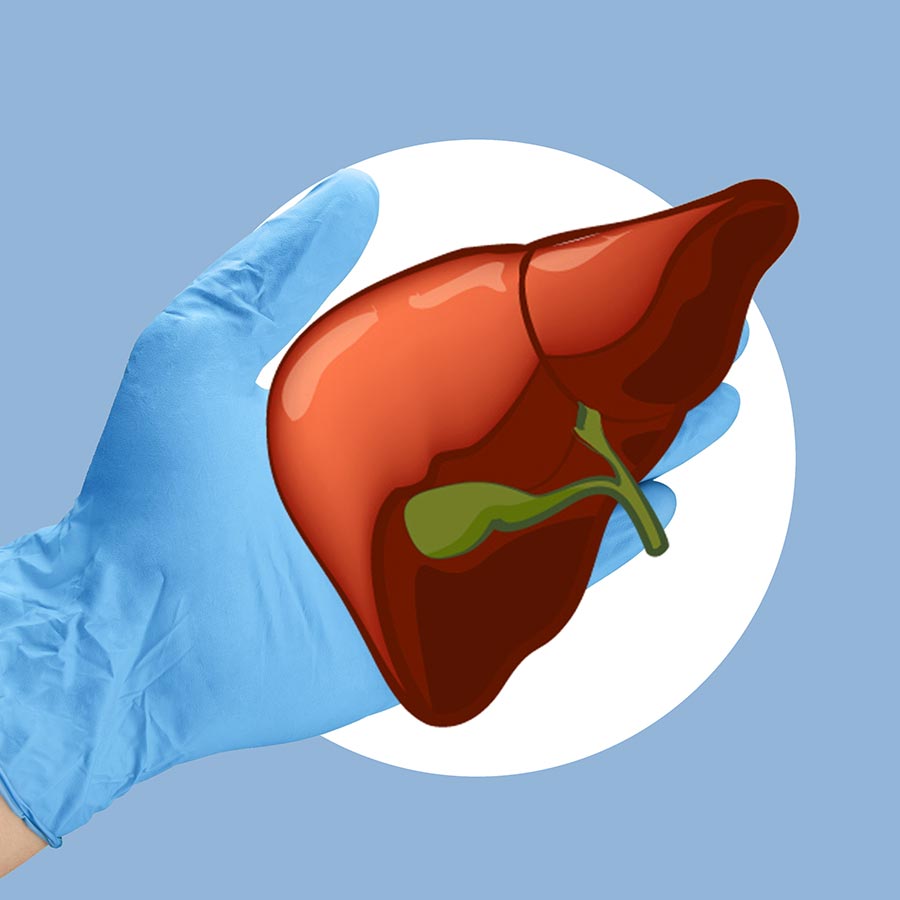
Experimental research suggests that dihydroquercetin may influence oxidative stress, inflammatory responses and lipid-related pathways involved in liver function. These findings support further investigation into its potential application in liver-focused and metabolic wellness formulations, although robust human clinical evidence remains limited.
European Journal of Pharmacology 2012, 684(1–3), 19–26.

Preclinical research suggests that dihydroquercetin may influence oxidative stress, neuroinflammatory pathways and processes associated with neuronal function. Researchers have also investigated its potential effects on amyloid-β-related mechanisms and neuronal loss. Human evidence remains limited, and these findings do not establish cognitive enhancement or prevention of neurological disease.
Current Neuropharmacology 2023, 21(10), 2097–2109.
Dihydroquercetin has demonstrated free-radical-scavenging activity and effects on cellular antioxidant pathways in experimental research. These properties make it a candidate for nutritional formulations focused on antioxidant support and cellular resilience.
Phytochemistry 2019, 166, 112066.
Research has investigated dihydroquercetin's antioxidant and anti-inflammatory effects in relation to vascular function, cholesterol metabolism and cardiovascular pathways. Most findings are from preclinical models, and further clinical studies are needed to confirm meaningful cardiovascular benefits in humans.
International Journal of Molecular Sciences 2025, 26(16), 8051.
Experimental research suggests that dihydroquercetin may influence oxidative stress, inflammatory responses and lipid-related pathways involved in liver function. These findings support further investigation into its potential application in liver-focused and metabolic wellness formulations, although robust human clinical evidence remains limited.
European Journal of Pharmacology 2012, 684(1–3), 19–26.

Available in

Tablets

Hard Capsule

Soft Capsule

Powders

Beverages

Gummies

Liquids
Quality Assurance

NON-GMO
ISO 9001

Gluten Free

BSE Free
Halal Certified
Kosher Certified

HACCP
ISO 22000
Recommend Products
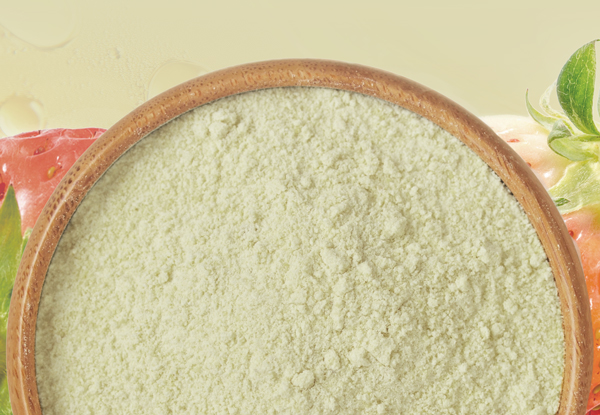
 Request
Sample

Leave Word
Have further questions? Our friendly experts will get back to you within 24 hours to assist you further


 +1(425)866-9043
 sales@bonerge.com