


















 Time:Jan 15, 2026
 Share:


GLP-1 receptor agonists like semaglutide and tirzepatide deliver results that were unimaginable a decade ago. In the landmark STEP 1 trial, participants losing weight saw an average reduction of nearly 15% of their body weight over 68 weeks. For many, that represented years of struggle finally resolved by weekly weight loss medications.
Then they stopped taking it. Within a year, STEP 1 trial extension participants regained roughly two-thirds of their lost weight — an average 11.6% body weight rebound.[1] Many people ask: do you gain weight back after glp 1? This pattern is not an outlier. It is the expected biological response when GLP-1 therapy ends without a plan.
For supplement brands, formulators, and nutrition companies, this trend creates one of the clearest unmet needs in functional nutrition: post-GLP-1 metabolic support. Understanding why weight regain happens is the first step toward solving how to get off glp 1 without gaining weight.

Why GLP-1 Medications Don’t Reset the Body Permanently
GLP-1 medications work by amplifying your body’s natural signals. They trigger slowed digestion, block hunger signals in the hypothalamus, and lower your brain’s reward response to high-calorie foods. While you take the drug, appetite stays low and weight loss follows.
But these drugs do not change the core set-point systems that control long-term body weight.When you stop treatment, ghrelin — the hunger hormone — surges back.Previously suppressed hypothalamic circuits turn back on.Your brain’s food reward response returns to normal.Appetite comes back — often stronger than before.
Worse, rapid weight loss during GLP-1 therapy often causes major lean mass loss if you do not carefully manage protein intake and strength training. Research shows 25% to 40% of the amount of weight lost comes from muscle and lean tissue, not fat.[2]
Less muscle means a lower resting metabolic rate.Your body burns fewer calories at rest after treatment than before.Without targeted support, to regain weight becomes almost unavoidable.
Obesity is a chronic metabolic health challenge, and GLP-1 therapy treats it as a chronic condition — not a one-time fix.
The Discontinuation Problem Is Bigger Than It Looks
Post-GLP-1 weight gain is not a small issue. Discontinuation rates among glp-1 medications users are extremely high. Real-world data shows up to 83% of patients quit within the first year.
The main reasons are consistent:high monthly cost (USD 970–1,350 in the U.S.),early treatment side effects,and a weight-loss plateau that reduces perceived benefits.[3]
Experts expect 30 to 50 million Americans will use GLP-1 therapies in coming years — so the post-treatment population will grow rapidly. These people have lost significant weight and strongly want to maintain weight loss.
Their metabolism has changed because of GLP-1 treatment — and standard diet advice does not fix these changes.
This gap between drug results and post-treatment outcomes creates a major product opportunity. It demands science-backed solutions, including a glp 1 supplement for weight loss and a trusted natural glp1 supplement.
The Gut Microbiome: Your Natural Path to Increase GLP-1
One of the most promising areas for post-GLP-1 support is the gut microbiome — especially how it helps your body increase glp-1 naturally.
GLP-1 is not just a drug. It is a hormone your intestinal L-cells produce naturally when you eat and when triggered by gut bacteria. Your microbiome directly controls how much GLP-1 you make on your own.
Akkermansia muciniphila is the most well-studied probiotic for this role.A 2021 Nature Microbiology study found that Akkermansia releases a protein called P9. This protein attaches to ICAM-2 receptors on intestinal L-cells and triggers GLP-1 release in a calcium-dependent way.[4]
Simply put: Akkermansia acts as a natural GLP-1 amplifier — using the same biological pathway as prescription glp-1 receptor agonists.
Besides boosting GLP-1, Akkermansia strengthens your gut barrier, lowers chronic low-grade inflammation, slows gastric emptying, and curbs appetite. All these effects help you maintain weight loss years after stopping GLP-1 injections. Gut barrier support isn't unique to Akkermansia, either. Urolithin A, another postbiotic, reinforces the same barrier through a different mechanism.
Amuctive™ Akkermansia: Safe, Stable Support for Metabolic Health
Not all Akkermansia products work the same.The effectiveness of Akkermansia ingredients depends on strain type, active protein levels, and manufacturing that preserves biological activity.
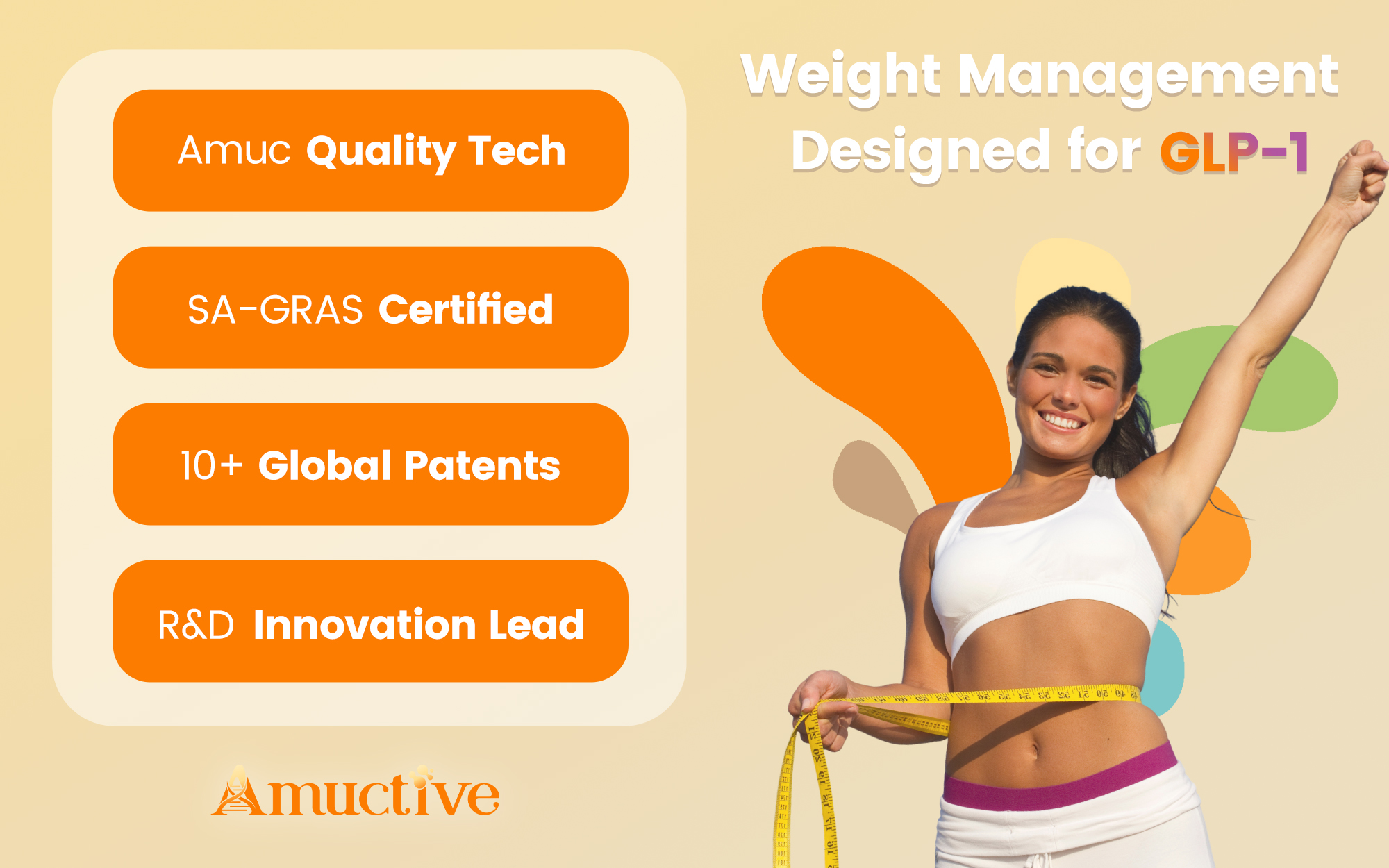
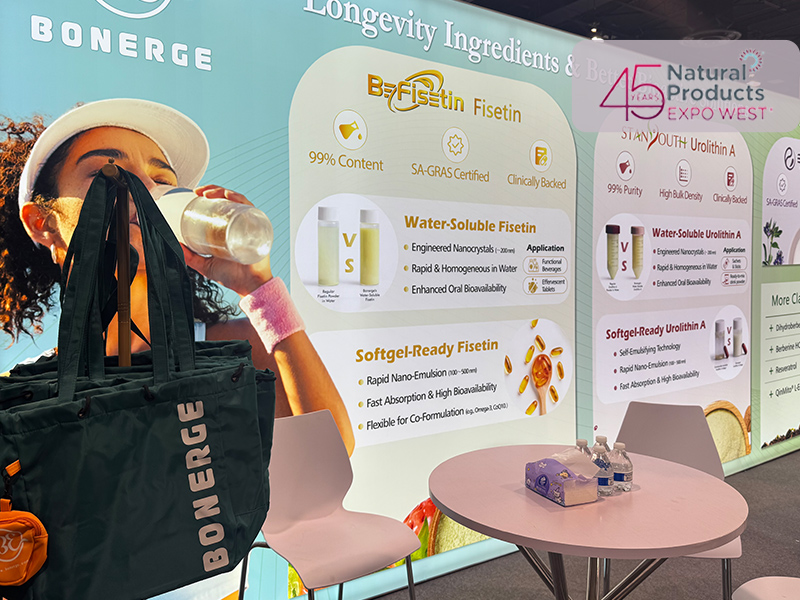
Amuctive™ Akkermansia by Bonerge is a next-generation pasteurized Akkermansia ingredient. It is designed around the Amuc_1100 protein — the key compound that supports metabolic health.
Using proprietary enrichment and detection tech, Amuctive™ delivers more than three times the Amuc_1100 of standard Akkermansia products. It is SA-GRAS certified and protected by more than 10 global patents for production and formulation.
Crucially, preclinical data shows Amuctive™ Akkermansia significantly cuts weight regain after stopping semaglutide in high-fat diet mice.Compared to controls, the Amuctive™ group’s weight-gain rate dropped by about 4.5 times.
Blood sugar markers also improved during the transition — critical because glucose control often drops quickly after you stop GLP-1 drugs.
Pasteurized Akkermansia has big commercial advantages over live strains:no cold chain needed,works in capsules and powders,no risk of over-colonization.
A Nature Medicine study confirmed pasteurized Akkermansia works better than live bacteria for reducing body weight, losing fat mass, and raising GLP-1 levels.[5] That makes the heat-inactivated form safer and more effective for post-GLP-1 use.
Dihydroberberine: A Natural GLP1 Supplement for Insulin Sensitivity
Insulin resistance is a main cause of weight regain. When cells resist insulin, blood sugar control worsens, fat storage rises, and energy metabolism slows. GLP-1 drugs improve insulin resistance while you take them — but that benefit fades after you stop.
Berberine is a well-proven natural GLP-1 secretagogue.It raises proglucagon mRNA expression, supports L-cell growth, and activates the intestinal bitter taste receptor TAS2R38 in a dose-dependent way.[6] It also boosts insulin sensitivity by activating AMPK, restoring the metabolic support GLP-1 drugs provided.
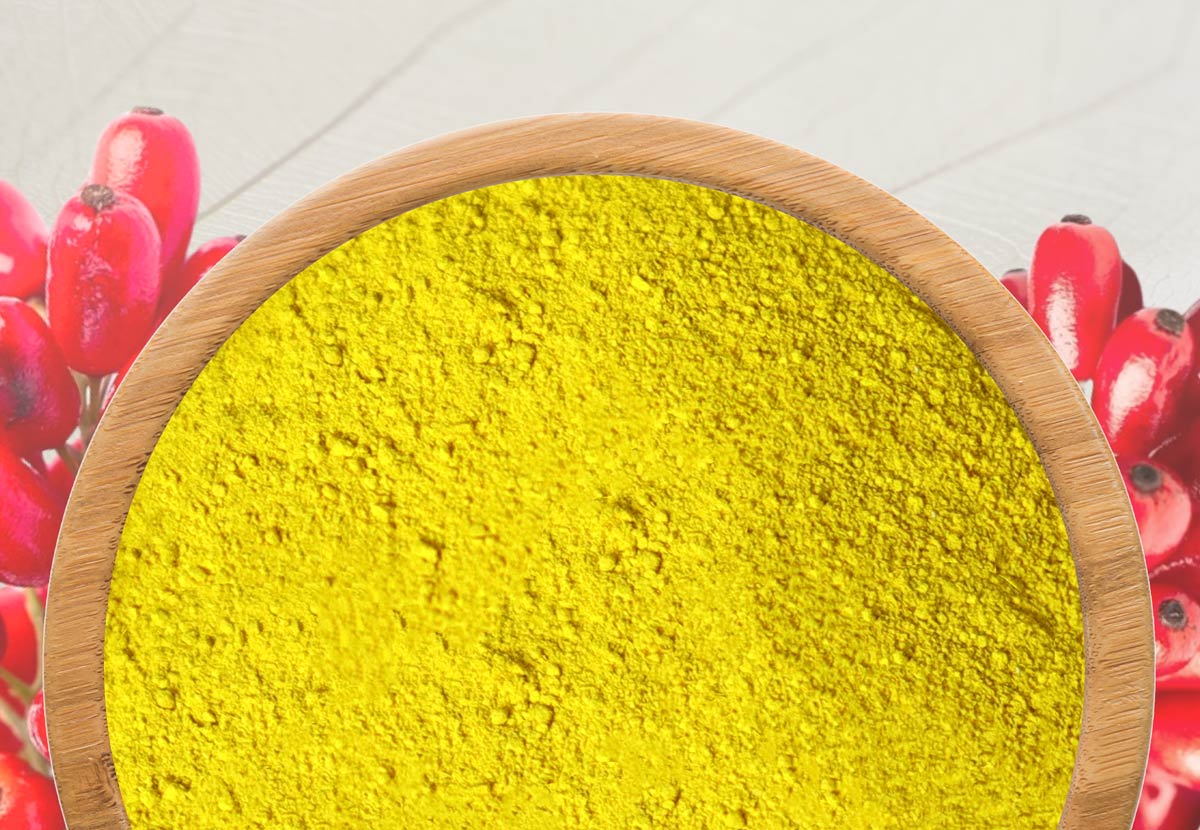
Dihydroberberine (DHB) is the more bioavailable form of berberine.Your body quickly turns absorbed DHB into berberine.You get the same metabolic benefits at lower doses with better gut comfort.
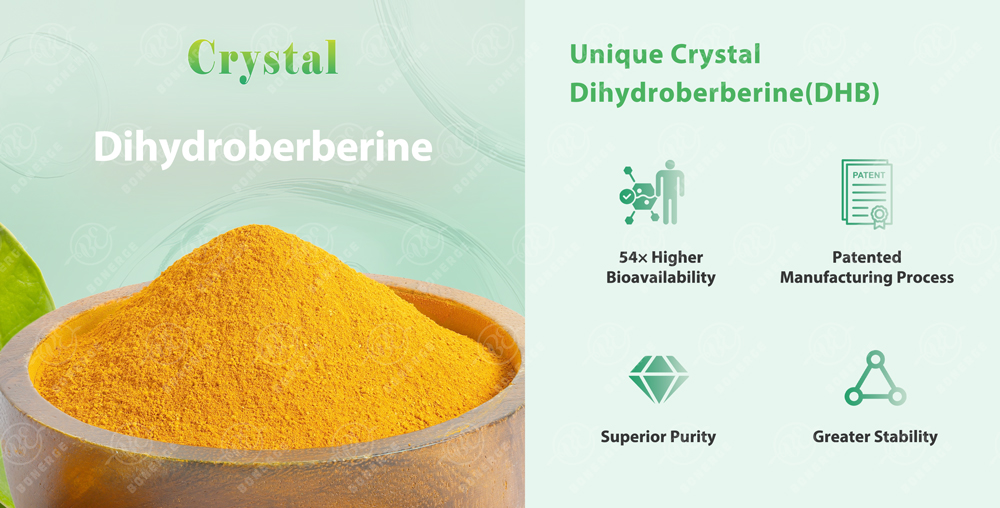
Bonerge’s Dihydroberberine uses a one-of-a-kind crystalline structure — the only one of its type on the market. This structure solves the stability and manufacturing limits that long held back DHB in commercial products.
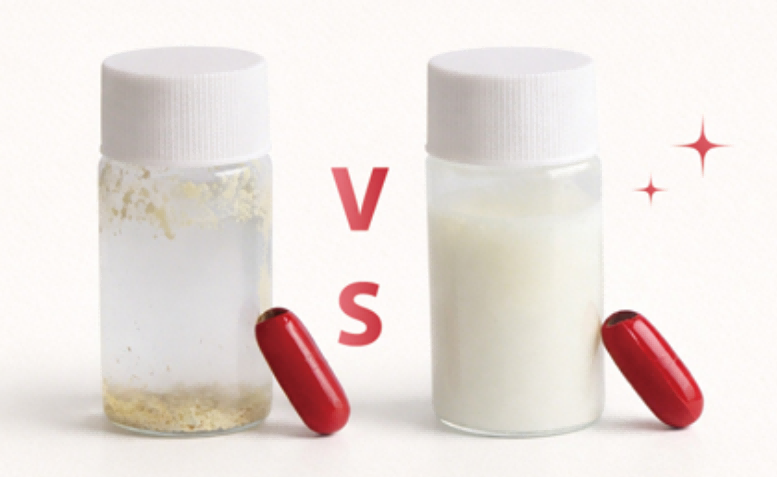
The crystalline form reaches a bulk density above 0.6 g/ml — a standard no other DHB matches. It also resists moisture and breakdown far better than regular DHB.
Pharmacokinetic data proves Bonerge’s Dihydroberberine is 54 times more bioavailable than standard berberine. This difference matters greatly for products that rely on steady, consistent absorption to work.
Lifestyle Habits to Maintain Weight Loss & Increase GLP-1
Supplements work best with lifestyle habits that activate your body’s own GLP-1 system.Research proves many daily habits increase natural GLP-1 secretion or improve your body’s response to it — perfect for anyone trying to keep weight off long-term.
High-fiber foods & healthy fats
Dietary fibers — especially fermentable types like inulin, beta-glucan, and resistant starch — feed gut bacteria that make short-chain fatty acids (SCFAs). SCFAs directly trigger L-cells to release GLP-1. Pair fiber with healthy fats for steady energy and better appetite control.
Protein at the start of meals
Eating protein at the start of a meal triggers a stronger GLP-1 response than eating protein later. This effect is small but consistent across studies — and costs nothing to use.
Regularly physical activity & strength training
Regularly physical activity boosts GLP-1 receptor sensitivity and preserves lean mass — both essential after GLP-1 discontinuation.Strength training directly fights muscle loss from rapid weight loss and keeps your resting metabolism high enough for long-term weight maintenance.
Quality sleep & circadian rhythm
Quality sleep lowers ghrelin and supports GLP-1 production. Poor sleep creates a hormone state that drives hunger and fat gain. Even small improvements in sleep length and regularity strongly support metabolic health.
Habits That Make You Regain Weight After GLP-1
Some habits actively block GLP-1 recovery and make post-treatment metabolism worse.
Ultra-processed foods
Diets high in ultra-processed foods consistently lower GLP-1 secretion and raise ghrelin. They also damage the gut microbiome that makes natural GLP-1 possible — creating a double barrier to keeping weight off.
Sedentary behavior
Long periods of sitting — even in people who exercise — independently damage metabolic flexibility and reduce insulin sensitivity. Breaking up sitting time with short walks gives real metabolic benefits.
Chronic stress
Cortisol weakens GLP-1 signaling, increases appetite, and builds visceral fat.Most post-GLP-1 plans skip stress management — but strong science supports it. People who controlled appetite well on medication often find unmanaged stress is the top cause of overeating after stopping.
The Post-GLP-1 Market Is Here to Stay
The post-GLP-1 market is not a future opportunity — it is growing right now. Millions of early users are stopping treatment and facing weight rebound with almost no structured help.
Science already has the answers.Akkermansia muciniphila boosts natural GLP-1 and reduces rebound in post-semaglutide models.Dihydroberberine supports insulin sensitivity and GLP-1 production through complementary pathways.
Lifestyle support — fiber, protein timing, strength training, sleep, and stress management — builds the foundation that makes supplements work better.
Brands and formulators who enter this space with evidence-based ingredient blends — not vague wellness claims — will shape this category. The window for early leadership is open.
References:
[1] Wilding JPH, et al. Weight regain and cardiometabolic effects after withdrawal of semaglutide: The STEP 1 trial extension. Diabetes Obes Metab. 2022;24(8):1553–1564.
[2] Sargeant JA, et al. Changes in lean body mass with glucagon-like peptide-1-based therapies and mitigation strategies. Obes Rev. 2024;25(8):e13752.
[3] Weiss T, et al. Real-world persistence and adherence to GLP-1 receptor agonists among obese commercially insured adults without diabetes. J Manag Care Spec Pharm. 2024;30(5):439–448.
[4] Yoon HS, et al. Akkermansia muciniphila secretes a glucagon-like peptide-1-inducing protein that improves glucose homeostasis and ameliorates metabolic disease in mice. Nat Microbiol. 2021;6(5):563–573.
[5] Plovier H, et al. A purified membrane protein from Akkermansia muciniphila or the pasteurized bacterium improves metabolism in obese and diabetic mice. Nat Med. 2017;23(1):107–116.
[6] Yang WL, Zhang CY, et al. Berberine metabolites stimulate GLP-1 secretion by alleviating oxidative stress and mitochondrial dysfunction. Am J Chin Med. 2024;52(1):253–274.



 +1(425)866-9043
 sales@bonerge.com