












 Time:Feb 06, 2026
 Share:


As the women’s health supplement market continues to evolve, brands are moving beyond single-ingredient hype and toward evidence-based, non-hormonal solutions that address hormonal fluctuations with greater precision and safety.
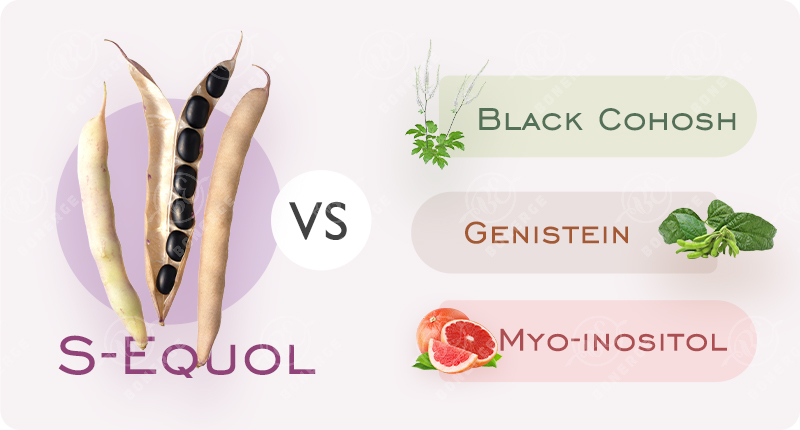
Among the most frequently discussed ingredients are Black Cohosh, Genistein, Myo-Inositol, and S-equol—each widely used to support women during perimenopause, menopause, and other hormonally sensitive life stages.
This article provides a science driven comparison of these four ingredients, helping brands and formulators identify whichoptions best align with modern expectations around efficacy, safety, and product quality.
Why Non-Hormonal Women’s Health Supplements Are Dominating the Market
Women are increasingly seeking alternatives to hormone replacement therapy (HRT), driven by concerns around long term safety, contraindications, and highly variable individual responses. This shift reflects a broader move toward preventive and proactive health management rather than symptom only intervention. ¹
Innova Market Insights adds that over a third of women globally are now using supplements to address hormone related issues, highlighting that this trend extends beyond symptom relief and reflects a more proactive approach to long term health management. ²
This evolving mindset is not only reflected in market data, but also consistently observed by practitioners working directly with women’s health consumers.
“ The women’s health category is a microcosm of the wider trend toward preventative health management. Women are increasingly looking for clean, scientifically validated formulas with transparent dosing, free from unnecessary fillers. At the same time, many are seeking non-hormonal alternatives or complements to traditional HRT, often sensing that something is ‘off’ hormonally but struggling to pinpoint the cause amid confusing and inconsistent marketing claims. ” ³
Gail Madalena, a Nutritional Therapist at Wild Nutrition
Rather than replacing endogenous hormones, non hormonal supplements aim to support hormonal balance by modulating signaling pathways, receptor activity, or metabolic feedback mechanisms. This approach resonates strongly during perimenopause, a phase characterized by unpredictable hormonal fluctuations, where precision, safety, and clarity are especially valued by both consumers and healthcare professionals.
What Women and Brands Are Looking for in Hormonal Health Ingredients
Across both consumer and professional audiences, expectations for women’s health ingredients have become more defined. Key decision criteria now include:
Broad symptom coverage, addressing vasomotor, emotional, metabolic, and skeletal concerns
Clinical validation, supported by human studies rather than anecdotal use
Long-term safety, especially for daily, extended use
Clean-label transparency, including clearly defined active compounds and standardized specifications
Ingredients that fail to meet these criteria are increasingly scrutinized, regardless of historical popularity.
A Scientific Comparison of Popular Women’s Health Ingredients
Black Cohosh, Genistein, Myo-Inositol, and S-equol are often grouped together because they share one essential feature: they are all non hormonal bioactive compounds used to manage hormone related symptoms and are widely used in non hormonal menopause supplement formulations.
However, their mechanisms, applicability, and safety profiles differ substantially. To support informed formulation decisions, the table below compares these ingredients across efficacy profile, safety considerations, and key formulation limitations.
Ingredient | Efficacy Profile | Safety Profile | Key Limitation |
Black Cohosh | Contradictory and unreliable | High risk (liver toxicity reported) | Poor standardization and frequent safety concerns |
Genistein | Inconsistent and population specific | Medium risk due to hormonal stimulation | Not suitable for hormone sensitive conditions |
Myo-Inositol | Targeted efficacy for insulin resistance | Low risk | Not suitable for hormone sensitive conditions |
S-equol | Broad spectrum, clinically supported efficacy | Low risk with ERβ selective activity | Requires clearly defined, quality controlled formulation |
Black Cohosh for Menopause: Efficacy, Risks, and Market Limitations
Black Cohosh has long been used for menopausal symptom relief, particularly hot flashes and mood-related complaints.

Mechanism:
The primary mechanism of Black Cohosh is not yet fully understood, but research suggests it involves modulation of the central nervous system. It is believed to influence neurotransmitters and the hypothalamic thermoregulatory center, thereby helping to manage vasomotor instability without directly binding to estrogen receptors.4
Clinical evidence:
Black Cohosh has been traditionally used and studied for its focus on managing menopausal vasomotor symptoms, such as reducing the frequency and severity of hot flashes and night sweats 5, with some supporting evidence for mood-related benefits. Its role is centered primarily on this specific symptomatic relief. 6
Safety concerns:
The most significant concern is hepatotoxicity. Clinical cases link Black Cohosh to severe liver damage, including instances of acute liver failure requiring transplantation 7. Other side effects include headaches, gastrointestinal distress, and rare but serious reports of bradycardia. It is strictly contraindicated for individuals with liver conditions, those on hepatotoxic medications, and women with a history of uterine fibroids or endometriosis 8.
Genistein: The Classic Phytoestrogen
As a well-known "phytoestrogen," Genistein's benefits are highly dependent on individual factors like ethnicity and diet.
Mechanism:
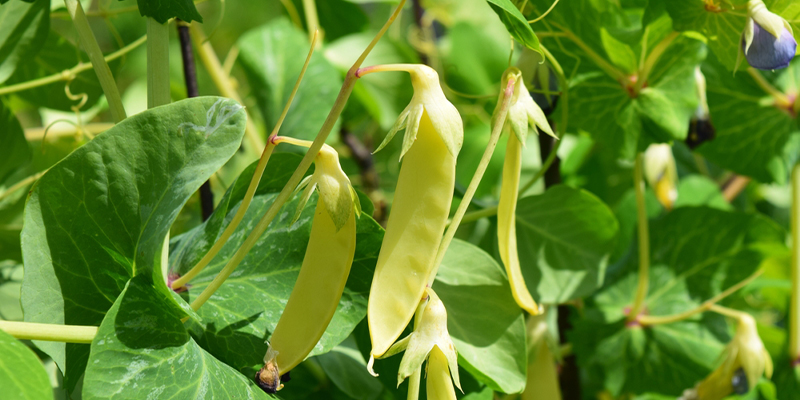
As a primary soy isoflavone, Genistein acts as a selective estrogen receptor modulator (SERM). Its structural similarity to human estrogen allows it to bind to estrogen receptors (ERα and ERβ), exerting a mild estrogenic effect in low-estrogen states. 9
Clinical evidence:
Genistein, as a foundational phytoestrogen, offers general menopausal support. Clinical studies indicate its potential to provide mild relief from vasomotor symptoms10 and to contribute to the maintenance of bone mineral density in postmenopausal women, though the degree of effect may vary across populations. 11
Safety considerations:
Its estrogen-like activity is a double-edged sword. For individuals with hormone-sensitive conditions (such as breast or ovarian cancer), it can potentially stimulate cancer cell proliferation and is an absolute contraindication.
Endometriosis and uterine fibroids: due to its estrogen-like activity, it may exacerbate lesion proliferation and worsen clinical symptoms.
Pregnant and lactating women: there is a lack of adequate safety data for fetal and infant exposure, and its phytoestrogenic effects may interfere with reproductive system development; therefore, it is explicitly contraindicated in these populations. 12
Myo-Inositol: A Targeted Solution for PCOS, Not a Universal Hormone Answer
Myo-inositol is a well-established functional ingredient in women’s health supplements, best known for its role in improving insulin sensitivity and supporting metabolic and reproductive balance.
Mechanism:
Myo-Inositol, particularly in its stereoisomer form D-chiro-inositol, functions as a key second messenger in insulin signaling. It works by enhancing cellular insulin sensitivity and optimizing glucose metabolism, directly targeting the underlying issue of insulin resistance. 13
Clinical evidence:
Myo-Inositol finds its strongest application as a targeted metabolic and reproductive health aid. Its clinical benefits are most evident in supporting women with Polycystic Ovary Syndrome (PCOS), where specific formulations—notably a 40:1 ratio of myo- to D-chiro-inositol—have been shown to improve insulin sensitivity, restore ovulation, and support metabolic parameters. 14
Safety considerations:
It is generally well-tolerated, with the most common side effects being mild gastrointestinal discomfort. Diabetics should monitor blood glucose levels closely if combining it with anti-diabetic medication.15
S-equol: A Next-Generation, Non-Hormonal Solution for Women’s Health
As the definitive bioactive gut metabolite of daidzein, S-equol occupies a next-generation position in women’s health supplements, delivering a targeted, non-hormonal mechanism of action with clinically validated effects across estrogen-related symptom domains.
Mechanism:
S-equol’s mechanism of action is defined by its highly selective and potent binding affinity for estrogen receptor beta (ERβ), with negligible interaction with estrogen receptor alpha (ERα)16. As ERβ is predominantly expressed in tissues including bone, brain, the cardiovascular system, and skin, this receptor selectivity enables S-equol to modulate estrogen-related signaling pathways in a tissue-specific manner, while minimizing ERα-mediated signaling commonly associated with safety concerns 17.
Clinical evidence:
Clinical studies indicate that 10 mg of S-equol daily for 12 weeks can significantly reduce hot flash frequency18 and improve sleep quality, with over 50% of users reporting improvement. 19
Beyond core menopausal relief, its benefits extend to increasing bone mineral density by 8–10% in perimenopausal women,20 improving visible signs of skin photoaging,21 and showing promise in alleviating hair loss in individuals with androgenetic alopecia.22 This multi-faceted efficacy addresses the interconnected health concerns of mature women, spanning internal balance and external vitality.
Safety considerations:
Safety data indicate that S-equol is well tolerated across preclinical and clinical studies. Acute and subchronic oral toxicity studies in Sprague-Dawley rats showed no adverse effects on hematology, clinical chemistry, organ histopathology, or functional observations, with NOAEL values up to 250 mg/kg/day and good tolerance at doses up to 2000 mg/kg. 23
Genotoxicity assessments, including Ames and chromosomal aberration assays, demonstrated no mutagenic potential 24, while in vivo micronucleus testing further confirmed the absence of genotoxicity. Human Phase I trials showed good tolerability without clinically meaningful laboratory or cardiovascular changes 25, and uterotropic studies reported no endometrial stimulation. 26
The Market Reality: Navigating Quality and Transparency
Even the most theoretically perfect ingredient loses its meaning if the market is flooded with inferior products. It is in this crucial aspect that S-equol and its manufacturing standards truly stand out.
Black Cohosh: Lack of Quality Standards, A Market in Disarray
Black cohosh is primarily sold in the market as extracts, with wide variations in extraction methods and specifications. Research data indicates that among 322 black cohosh extract samples globally, the adulteration rate is as high as 42.2%, making it difficult for consumers to distinguish genuine products from counterfeit ones 27.
Genistein: Opaque Labeling, Low Transparency
Most products containing genistein on the market only vaguely label "Total Soy Isoflavones" without clearly specifying the actual genistein content. This prevents consumers from accurately assessing the dosage of the active ingredient they are ingesting.
Myo-Inositol: Relatively Mature Standards, Controllable Quality
The core efficacy of myo-inositol relies on the precise ratio between MI (myo-inositol) and DCI (D-chiro-inositol), for which clear clinical recommendation standards exist for different application scenarios. Furthermore, myo-inositol has defined quality standards in the United States Pharmacopeia, resulting in relatively stable and reliable product quality.
S-equol: A Premium, Reliable Next-Generation Choice
As a next-generation active ingredient, S-equol is itself an active metabolite in the gut. Its mechanism of action does not depend on the highly variable and often inefficient conversion process by gut microbiota, fundamentally solving the core issue of "why it works for some but not for others." Moreover, it is produced using bio-fermentation technology, resulting in a product with a clear structure, high purity, and well-defined quality control metrics, leaving no room for ambiguous quality grey areas.
Why Brands Choose EquoYouth™ for Premium S-equol Formulations
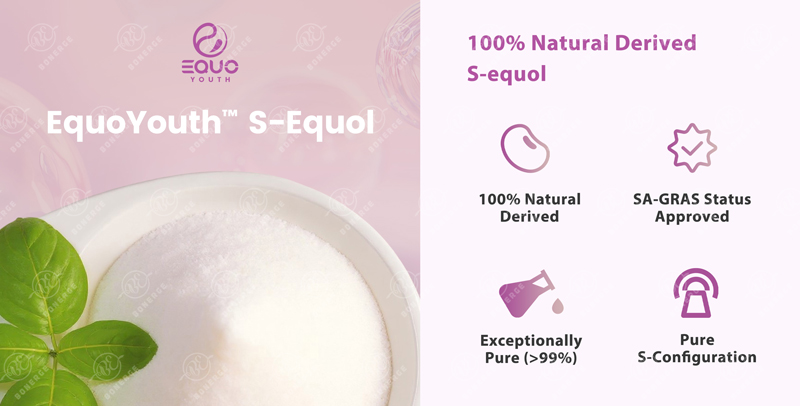
For brands developing advanced women’s health products, ingredient reliability is non-negotiable. EquoYouth™ distinguishes itself through:
SA-GRAS status, supporting regulatory confidence
≥99% purity, ensuring consistency and clinical relevance
Bio-fermentation manufacturing, enabling scalable, high-quality production
Ongoing clinical and regulatory investment, reinforcing long-term credibility
These attributes allow brands to formulate with confidence while meeting rising expectations for transparency and safety.
This article is for informational purposes only and does not constitute medical advice. Please consult a qualified healthcare provider before starting any new supplement or treatment regimen.
References:
1. Grand View Research. Women’s Health And Beauty Supplements Market (2025 - 2030)[R].
2. Innova Market Insights. Global Ingredients for Women’s Health Supplements[R]. 2025-05-21.
3. Nicolle, L. From taboo to trending: The evolution of the women's health supplement market[EB/OL]. 2025-11-20.
4. Mohammad-Alizadeh-Charandabi, S., Shahnazi, M., et al. Efficacy of black cohosh (Cimicifuga racemosa L.) in treating early symptoms of menopause: a randomized clinical trial[J]. Chinese Medicine, 2013, 8(1):20.
5. Leach, M. J., & Moore, V. Black cohosh (Cimicifuga spp.) for menopausal symptoms[J]. Cochrane Database of Systematic Reviews, 2012(9):CD007244.
6. Amsterdam, J. D., Yao, Y., et al. Randomized, double-blind, placebo-controlled trial of Cimicifuga racemosa (black cohosh) in women with anxiety disorder due to menopause[J]. Journal of Clinical Psychopharmacology, 2009, 29(5):478-483.
7. Lim, T. Y., Considine, A., et al. Subacute liver failure secondary to black cohosh leading to liver transplantation[J]. BMJ Case Reports, 2013, bcr2013009325.
8. Gorman, G. S., Coward, L., et al. Effects of herbal supplements on the bioactivation of chemotherapeutic agents[J]. Journal of Pharmacy and Pharmacology, 2013, 65(7):1014-1025.
9. Atkinson, C., Warren, R. M., et al. Red-clover-derived isoflavones and mammographic breast density: a double-blind, randomized, placebo-controlled trial [ISRCTN42940165][J]. Breast Cancer Research, 2004, 6(3):R170-R179.
10. Levis, S., Strickman-Stein, N., et al. Soy isoflavones in the prevention of menopausal bone loss and menopausal symptoms: a randomized, double-blind trial[J]. Archives of Internal Medicine, 2011, 171(15):1363-1369.
11. Barańska, A., Kanadys, W., et al. Augustynowicz, A., Szajnik, M., & Religioni, U. The Role of Soy Isoflavones in the Prevention of Bone Loss in Postmenopausal Women: A Systematic Review with Meta-Analysis of Randomized Controlled Trials[J]. Journal of Clinical Medicine, 2022, 11(16):4676.
12. Ricci, E., Cipriani, S., et al. Soy isoflavones and bone mineral density in perimenopausal and postmenopausal Western women: a systematic review and meta-analysis of randomized controlled trials[J]. Journal of Women's Health, 2010, 19(9):1609-1617.
13. Murata, M., Midorikawa, K., et al. Genistein and daidzein induce cell proliferation and their metabolites cause oxidative DNA damage in relation to isoflavone-induced cancer of estrogen-sensitive organs[J]. Biochemistry, 2004, 43(9):2569-2577.
14. Unfer, V., Casini, M. L., et al. Endometrial effects of long-term treatment with phytoestrogens: a randomized, double-blind, placebo-controlled study[J]. Fertility and Sterility, 2004, 82(1):145-148.
15. Nordio, M., Basciani, S., & Camajani, E. The 40:1 myo-inositol/D-chiro-inositol plasma ratio is able to restore ovulation in PCOS patients: comparison with other ratios[J]. European Review for Medical and Pharmacological Sciences, 2019, 23(12):5512-5521.
16. Farren, M., Daly, N., et al. The Prevention of Gestational Diabetes Mellitus With Antenatal Oral Inositol Supplementation: A Randomized Controlled Trial[J]. Diabetes Care, 2017, 40(6):759-763.
17. Quanmin Health Network. Medical judgment: Inositol is harmful to certain populations, with severe side effects such as violent vomiting[EB/OL]. 2025-07-28.
18. Shenzhen 01137194 News. The truth about the side effects of choline inositol in the treatment of polycystic ovary syndrome: what you need to know[EB/OL]. 2025-09-19.
19. Jenks, B. H., Iwashita, S., Nakagawa, Y., Ragland, K., Lee, J., Carson, W. H., Ueno, T., & Uchiyama, S. A pilot study on the effects of S-equol compared to soy isoflavones on menopausal hot flash frequency[J]. Journal of Women's Health, 2012, 21(6):674-682.
20. Davinelli, S., Scapagnini, G., Marzatico, F., Nobile, V., Ferrara, N., & Corbi, G. Influence of equol and resveratrol supplementation on health-related quality of life in menopausal women: A randomized, placebo-controlled study[J]. Maturitas, 2017, 96:77-83.
21. Brotzu, G., Fadda, A. M., Manca, M. L., Manca, T., Marongiu, F., Campisi, M., & Consolaro, F. A liposome-based formulation containing equol, dihomo-γ-linolenic acid and propionyl-l-carnitine to prevent and treat hair loss: A prospective investigation[J]. Dermatologic Therapy, 2019, 32(1):e12778.
22. Tousen, Y., Ezaki, J., Fujii, Y., Ueno, T., Nishimuta, M., & Ishimi, Y. Natural S-equol decreases bone resorption in postmenopausal, non-equol-producing Japanese women: a pilot randomized, placebo-controlled trial[J]. Menopause, 2011, 18(5):563-574.
23. Lephart, E. D. Cannabidiol (CBD) with 4',7-Isoflavandiol (Equol) Efficacy is Greater than CBD or Equol Treatment Alone via Human Skin Gene Expression Analysis[J]. Frontiers in Bioscience (Landmark Edition), 2023, 28(7):154.
24. Minatoya, M., Kutomi, G., Asakura, S., Otokozawa, S., Sugiyama, Y., Nagata, Y., Mori, M., & Hirata, K. Equol, adiponectin, insulin levels and risk of breast cancer[J]. Asian Pacific Journal of Cancer Prevention, 2013, 14(4):2191-2199.
25. Jackson, R. L., Greiwe, J. S., Desai, P. B., & Schwen, R. J. Single-dose and steady-state pharmacokinetic studies of S-equol, a potent nonhormonal, estrogen receptor β-agonist being developed for the treatment of menopausal symptoms[J]. Menopause, 2011, 18(2):185-193.
26. Orhan, N., Gafner, S., & Blumenthal, M. Estimating the extent of adulteration of the popular herbs black cohosh, echinacea, elder berry, ginkgo, and turmeric - its challenges and limitations[J]. Natural Product Reports, 2024, 41(10):1604-1621.
27. Advani, K., Batra, M., Tajpuriya, S., Gupta, R., Saraswat, A., Nagar, H. D., Makwana, L., Kshirsagar, S., Kaul, P., Ghosh, A. K., Pradhan, S., Mehta, A., Jaiswal, A., Nakhate, K. T., & Kamdi, S. Efficacy of combination therapy of inositols, antioxidants and vitamins in obese and non-obese women with polycystic ovary syndrome: an observational study[J]. Journal of Obstetrics and Gynaecology, 2020, 40(1):96-101.
28. Jiang, X., Chi, Y. J., Xu, Y., et al. Research progress of equol, the final metabolite of soy isoflavones[J]. Science and Technology of Food Industry, 2012, 33(19):401-403+408.
29. Zhang, T. The role and mechanism of antioxidant genes in soy isoflavone-inhibited oxidative stress injury of endothelial cells[D]. Third Military Medical University, 2012.






 +1(425)866-9043
 sales@bonerge.com