












 Time:Apr 08, 2026
 Share:


Across high-income countries, the timing of parenthood has shifted significantly. In Europe, North America, Australia, New Zealand, and East Asia, more than half of all births now go to women aged 30 and older [1]. A generation ago, that was rare. Globally, births to women aged 30 and older rose from roughly one in four in 1990 to more than one in three by 2023 [1]. Several factors drive this shift. These include longer years in higher education, career priorities, broader access to assisted reproductive technologies, and a changing sense of when the right time to start a family actually is.

Figure 1.Trend of average maternal age at childbirth by birth order in the United States from 1933 to 2023, showing a consistent rise in delayed childbearing across all parity groups. [1]
There are documented benefits to later parenthood. Research consistently links advanced maternal age with higher educational attainment and greater financial stability. Perhaps more surprisingly, studies also associate it with certain cognitive and longevity advantages for mothers. These are not trivial considerations.
Yet biology does not bend as easily as social timelines. Pregnancy after 35, clinically classified as advanced maternal age (AMA), carries a higher risk profile than pregnancy in the mid-twenties. The most common AMA-related complications include gestational diabetes, preterm birth, chromosomal abnormalities, miscarriage, and a range of postpartum challenges [3]. Importantly, these risks do not spread evenly across the body. Most converge on the ovary.
The core mechanism behind AMA-related pregnancy risks is ovarian aging — a progressive decline in both the number and quality of oocytes (eggs). Unlike nearly every other organ system, the ovary does not regenerate. Each woman is born with a fixed egg supply, and from birth, that supply declines steadily over time. By the mid-thirties, what remains is not only fewer in number but measurably lower in quality. These eggs are more vulnerable to oxidative stress, more prone to mitochondrial dysfunction, and more likely to have structural and metabolic problems that can affect fertilization, implantation, and fetal development.
This is the biological context driving demand for fertility supplements for women over 35 — including egg support supplements that address these specific mechanisms — not as a fringe wellness trend, but as a legitimate scientific priority.

Beyond Difficulty Conceiving: What Aging Cell Revealed About Transgenerational Risk
Discussions around pregnancy after 35 have historically focused on conception difficulty: lower IVF success rates, higher rates of miscarriage, and increased likelihood of chromosomal conditions like trisomy 21. These are real and important concerns. However, a study published in Aging Cell in early 2026 suggests the implications of maternal reproductive aging extend much further — across not one but potentially three generations [2].

Figure 2. Publication details of the 2026 Aging Cell study demonstrating intergenerational transmission of oocyte metabolic changes from aged mice. [2]
The research team, led by Gulzar, Musson, Bisogno and colleagues, used a mouse model comparing oocytes from aged females (8–10 months, equivalent to advanced reproductive age) with those from young females (3–5 months). Crucially, the experimental design incorporated both natural pregnancy and embryo transfer into young surrogate uteruses. This allowed the researchers to isolate the oocyte’s contribution from the uterine environment [2].
The findings across generations were striking.
In the aged mothers (F0)
Oocytes from older mice showed intracytoplasmic lipid droplet (LD) accumulation, elevated retinoids, and disrupted energy metabolism. These are markers consistent with oxidative stress and impaired mitochondrial function. Importantly, the same changes appeared in human oocytes from older women (ages 35–42), confirmed through metabolomic and lipidomic profiling [4]. This demonstrates that the mouse findings are not species-specific curiosities, but reflections of a shared aging biology.
In the first-generation offspring (F1)
Even when AMA-derived embryos were transferred into young surrogate uteruses, the resulting offspring showed measurable differences. These included reduced brain weight, impaired antioxidant capacity in lipid-rich organs (liver and brain), and reduced efficiency of placental nutrient transfer [2]. In other words, the young uterine environment could not fully reverse the biological legacy written into the oocyte itself.
In the third generation (F3)
Perhaps most remarkably, the third-generation females showed oocyte characteristics that mirrored those of their AMA great-grandmothers. These great-grandchildren of the aged mice displayed lipid droplet accumulation, elevated retinoids, and persistent metabolic changes [2]. The study concludes that altered oxidative metabolism in AMA oocytes may form a biological basis for the transgenerational inheritance of metabolic changes.
The proposed transmission routes involve mitochondrial maternal inheritance and epigenetic reprogramming [2]. Mitochondria pass exclusively through the mother’s egg, and these mechanisms are not erased by standard reproductive interventions. This does not mean that AMA pregnancy inevitably produces harmful outcomes for descendants. Rather, it reframes the stakes: supporting oocyte quality in women planning pregnancy after 35 or over 40 may not only improve conception outcomes but also protect a biological foundation that carries across generations.

Figure 3. Schematic of the transgenerational inheritance cycle driven by advanced maternal age, illustrating how oocyte oxidative stress and lipid damage in aged mothers lead to metabolic and developmental impairments across multiple generations.
What's Already in the Market: Conventional Fertility Supplements for Women
Against this backdrop of ovarian aging and its downstream consequences, a well-established category of fertility supplements for women has taken root — and for good reason. Several conventional ingredients have meaningful evidence supporting their use in the context of advanced maternal age. Understanding both their value and their limitations helps clarify where newer ingredients fit.
Coenzyme Q10 (CoQ10)
CoQ10 is among the most researched fertility-support ingredients. It plays a central role in mitochondrial ATP production and acts as a lipid-soluble antioxidant. In the context of reproductive aging, CoQ10 supplementation has been shown to partially restore mitochondrial function in aged oocytes in animal models. Clinical trials also suggest modest improvements in ovarian response and embryo quality in women undergoing IVF [3]. That said, CoQ10 levels decline with age, oral bioavailability is inconsistent, and clinical effect sizes — while real — remain modest.
DHEA (Dehydroepiandrosterone)
DHEA is a precursor hormone that supports androgen and estrogen synthesis. Studies in women with diminished ovarian reserve show some evidence of improved ovarian response and live birth rates in IVF settings [3]. Because DHEA affects individual hormonal profiles, it is not appropriate for all women and requires medical guidance.
Methylated Folate (5-MTHF)
Methylated folate (5-MTHF) — the biologically active form of folic acid — remains a cornerstone of preconception nutrition at any age. It supports DNA synthesis and methylation and plays a critical role in neural tube development. It is especially important for women with MTHFR gene variants, who may not efficiently convert standard folic acid into its usable form. While methylated folate does not directly address oocyte quality mechanisms, its role in early embryonic development is well established.
Vitamin D3
Vitamin D receptors are expressed in ovarian tissue. Vitamin D deficiency is extremely common in women of reproductive age in northern latitudes, and researchers have linked it to poorer IVF outcomes and increased miscarriage risk. Correcting this deficiency is broadly recommended as part of preconception care [4].
These ingredients address real physiological needs. However, none of them directly targets the lipid accumulation, retinoid dysregulation, and mitochondrial senescence pathways identified in the Aging Cell study as the core mechanisms of oocyte aging. Nor do they address the cellular senescence and estrogen signaling disruption that drive ovarian aging more broadly. This is where a newer category of ingredients enters the picture.
Addressing Maternal Aging at the Source: Three Emerging Nutraceutical Ingredients
The metabolic changes that characterize aging oocytes — lipid droplet accumulation, oxidative stress, mitochondrial dysfunction, cellular senescence — are not simply the absence of nutrients that can be replaced. Instead, they reflect active biological deterioration across multiple pathways. Targeting them meaningfully requires ingredients that engage those specific pathways. Three emerging compounds have attracted growing scientific attention for this purpose: Fisetin, Urolithin A, and S-Equol.
Fisetin: Multi-Pathway Oocyte Protection
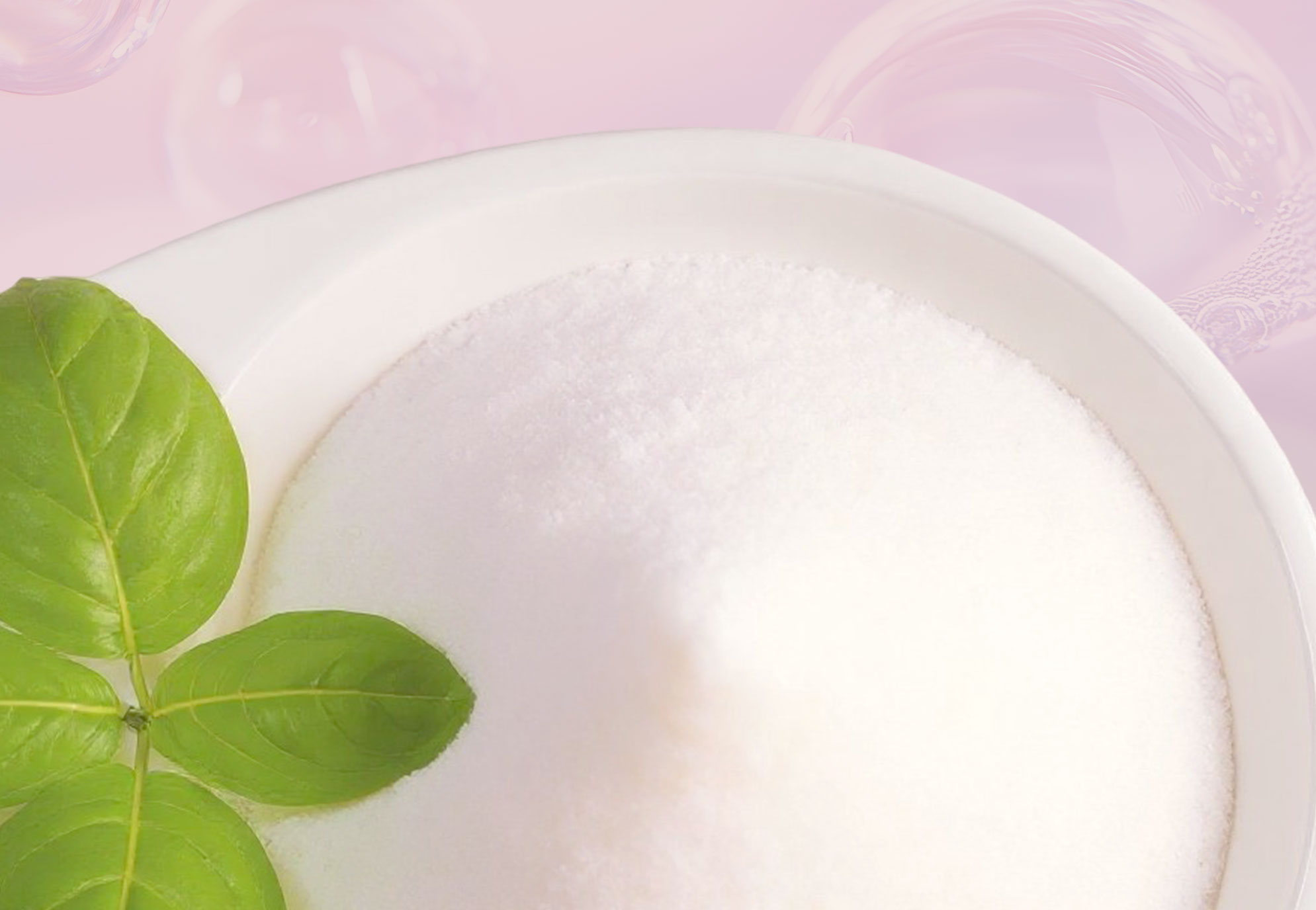
Fisetin is a flavonoid polyphenol found naturally in strawberries, grapes, and onions. It has emerged as one of the most potent naturally occurring senolytics — compounds that selectively eliminate senescent cells. In the context of ovarian and oocyte health, its evidence profile spans four distinct mechanisms.
Metabolic regulation: Fisetin modulates glucose and lipid metabolism, helping to reduce lipid droplet accumulation and oxidative burden in ovarian tissue. This directly addresses one of the signature pathologies in AMA oocytes. Research shows it supports normal follicular development and reduces premature atresia [6]. Its ability to regulate lipid homeostasis has also been demonstrated in hepatocytes through BMAL1 pathway modulation [7], suggesting broader metabolic benefits relevant to reproductive aging.
Antioxidant activity: Fisetin is a potent free radical scavenger with demonstrated capacity to protect cellular DNA from oxidative damage [8] — a mechanism of direct relevance given that oxidative stress is a primary driver of oocyte aging.
Mitochondrial restoration: Fisetin has been shown to rescue mitochondrial function in post-ovulatory aging oocytes through the SIRT1 signaling pathway. It corrects abnormal spindle assembly and improves the structural integrity of the oocyte [9]. This represents the kind of downstream repair that conventional antioxidants like CoQ10 initiate but may not fully achieve.
Embryo developmental quality: At appropriate doses, Fisetin has been associated with improved early embryo development and reduced incidence of fragmentation in porcine models [10], providing a translational signal relevant to egg quality outcomes after fertilization.
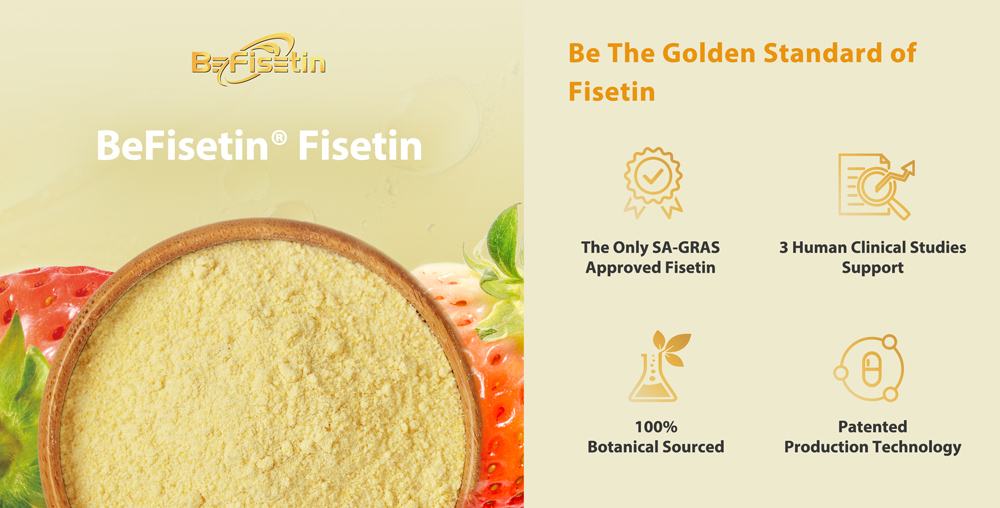
For women seeking to support egg quality and ovarian health as they approach or navigate pregnancy after 35, BeFisetin® is a high-purity, botanical-sourced Fisetin ingredient suitable for inclusion in fertility and healthy aging formulations. It features SA-GRAS status, clinical validation, and patented production technology, addressing key biological drivers such as metabolic imbalance, oxidative stress, cellular senescence, and early embryo development. BeFisetin® provides a reliable and scalable solution for brands developing next-generation fertility products with consistent quality and efficacy.
Urolithin A (StanYouth®): Oocyte Quality and Ovarian Reserve Support
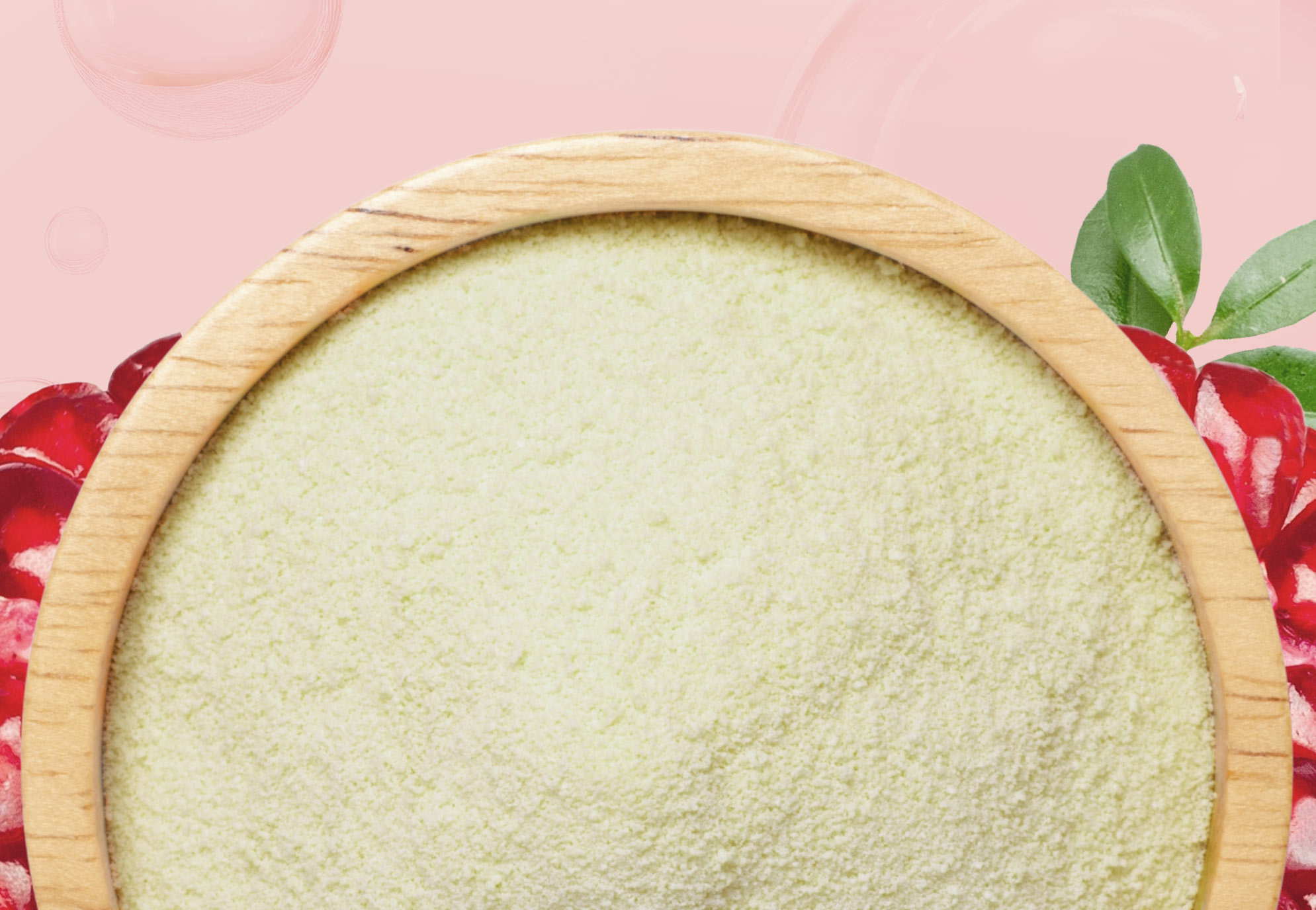
Urolithin A is a gut-derived metabolite produced from ellagitannins found in pomegranates, walnuts, and berries. It has been widely studied for its role in cellular quality control and protection against age-related functional decline. Given that cellular dysfunction is a key driver of oocyte aging, Urolithin A is a mechanistically relevant candidate for supporting egg quality and preserving ovarian function, thereby helping sustain female fertility potential.
Oocyte protection under oxidative stress: Urolithin A has been shown to protect porcine oocytes from oxidative stress-induced damage during maturation, preserving normal spindle morphology and supporting both maturation rates and subsequent embryo development potential [11].
Granulosa cell health via SIRT3: Granulosa cells, the supporting cells that surround and nourish the oocyte, are critical to ovarian reserve function and hormone synthesis. Research shows that Urolithin A attenuates AGE-induced senescence in human granulosa cells through enhancement of SIRT3 activity [12]. As a result, it helps preserve the cellular environment on which oocyte development depends.
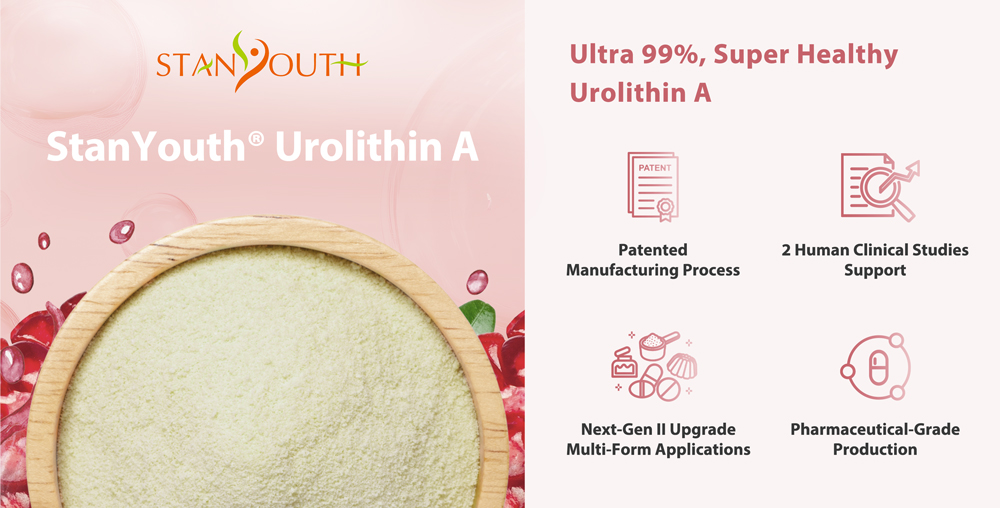
For women considering how to improve egg quality as they approach or navigate pregnancy after 35, Urolithin A addresses a fundamental dimension of oocyte aging at a mechanistic depth that few conventional ingredients reach. As the primary ingredient in Bonerge’s StanYouth®, it represents a scientifically grounded addition to the fertility supplement landscape.
S-Equol (EquoYouth®): Gentle Estrogen Modulation for Ovarian Longevity
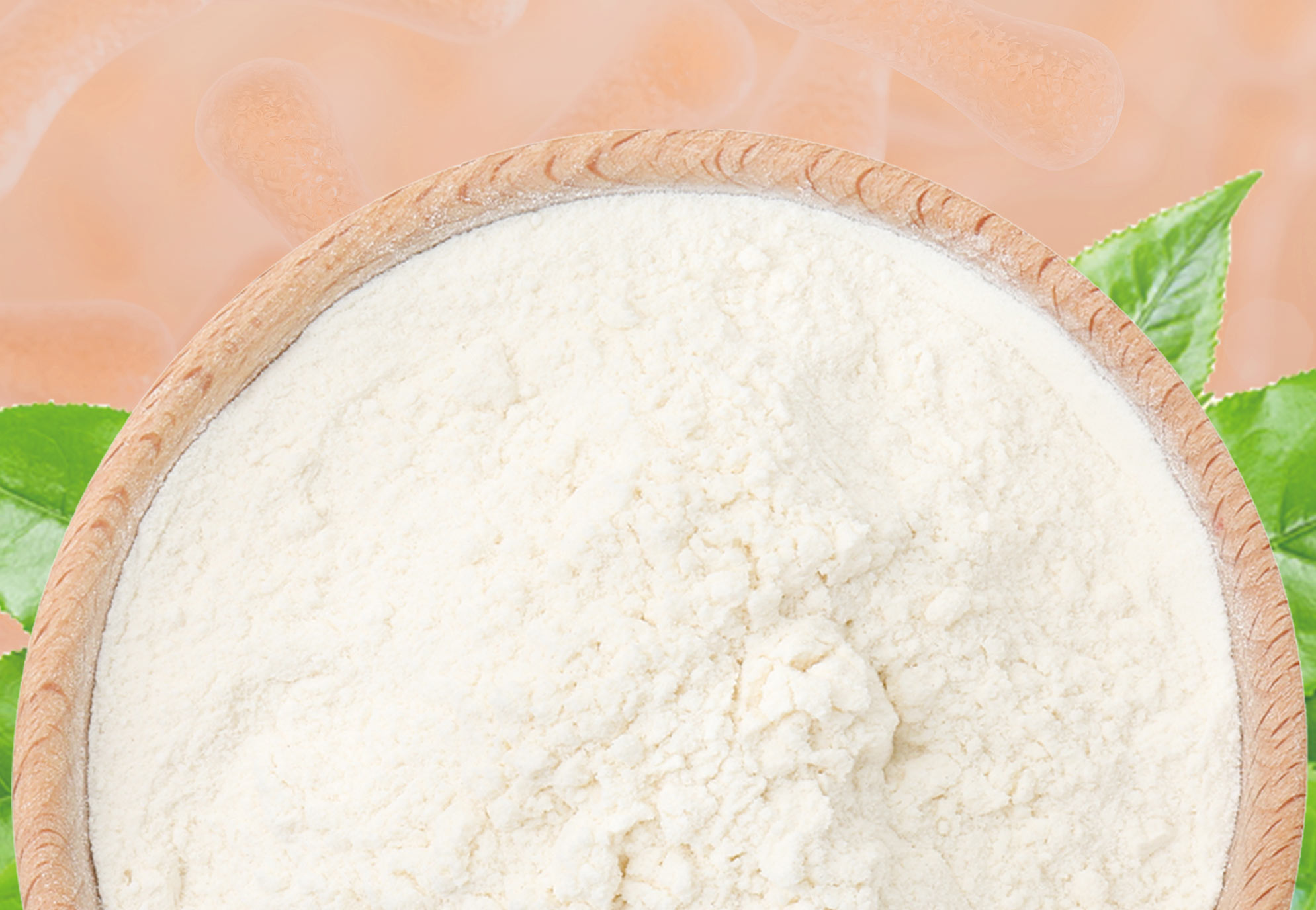
Ovarian aging is not solely driven by oxidative stress and mitochondrial decline; declining estrogen signaling also plays a central role. As estrogen levels fall across the reproductive years, follicular development becomes less efficient, cellular maintenance in ovarian tissue diminishes, and the cascade of perimenopausal symptoms begins [13]. S-Equol, the biologically active form of equol produced by certain gut bacteria from soy isoflavone daidzein, offers a plant-derived approach to this aspect of ovarian aging. Unlike most plant-based phytoestrogens that bind broadly to both estrogen receptor subtypes, S-Equol provides selective activity that supports reproductive tissue health.
ERβ-selective protective effects: S-Equol selectively activates ERβ, mediating protective estrogen effects in reproductive and neural tissues. This avoids the growth-stimulating effects associated with ERα activity in breast and uterine tissue, offering a safer profile for hormone support. [14]
Reliable bioavailability: Unlike isoflavone precursors, whose conversion to equol depends on individual gut microbiome composition, S-Equol is rapidly and consistently absorbed. This makes it a practical choice for women seeking stable hormone balancing to support fertility.
Clinically, S-Equol supplementation has been shown to significantly reduce menopausal symptoms in women who are equol nonproducers — the majority of Western populations. These benefits include relief from hot flushes and other vasomotor symptoms that mark the transition away from optimal estrogen signaling [15]. In the context of ovarian aging, its role as a gentle, selective estrogenic modulator offers a targeted approach to preserving the hormonal environment that supports follicle health and reduces age-related ovarian deterioration.
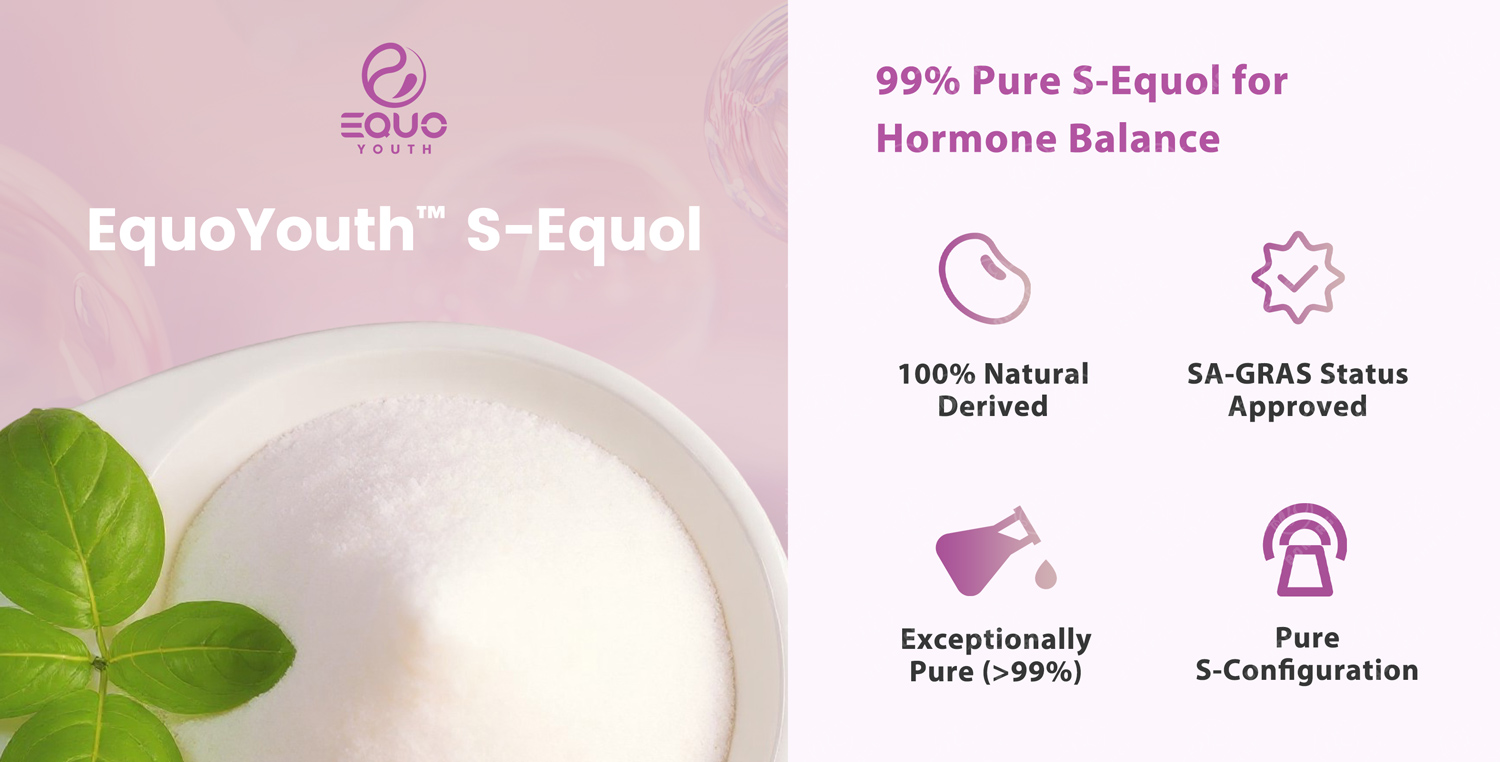
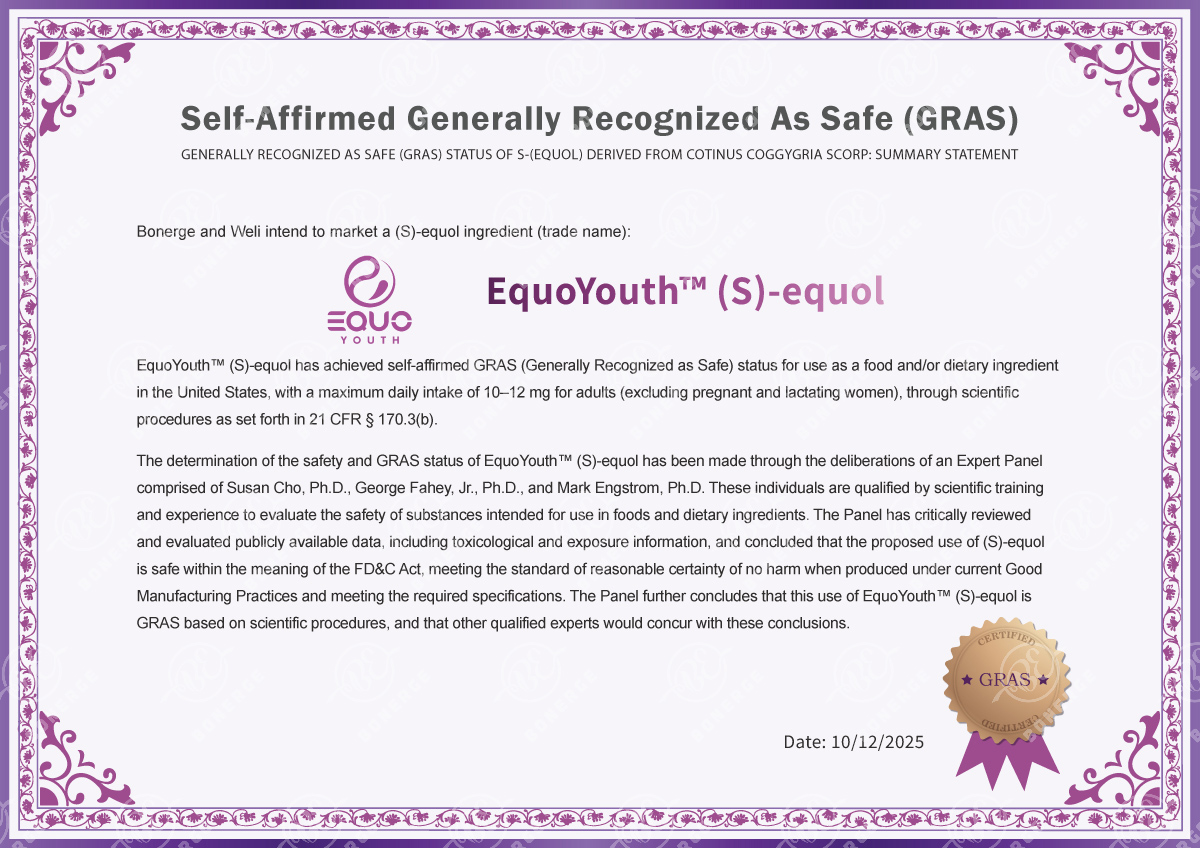
EquoYouth™ is a high-purity, plant-derived S-Equol ingredient with SA-GRAS status and patented fermentation technology. Verified for consistent bioactivity, it offers a reliable solution for supporting hormone balance, ovarian function, and women’s reproductive health in standardized formulations.
Maternal Aging and the Next Generation: A Biological Investment Worth Making
The science reviewed here adds an important dimension to the conversation about advanced maternal age — one that goes well beyond conception success rates. The 2026 Aging Cell research shows that oocyte quality is not merely a factor in whether pregnancy is achieved. It may also shape the metabolic health trajectory of the children and grandchildren born from that pregnancy [2]. The mechanisms behind this — mitochondrial maternal inheritance and epigenetic programming — are not something assisted reproductive technology can currently address. IVF and related technologies optimize the conditions for fertilization and implantation. However, they cannot rewrite the biological program carried in the oocyte itself.
This places meaningful weight on preconception care for women planning pregnancy after 35 or over 40. Nutritional support strategies that specifically target the hallmarks of oocyte aging — lipid metabolism disruption, oxidative stress, mitochondrial dysfunction, cellular senescence, and declining estrogen signaling — may offer benefits that extend well beyond the mother’s fertility window to the biological foundations of the next generation.
Fisetin, Urolithin A, and S-Equol each address distinct nodes in this biology. Together, they can form part of a comprehensive preconception nutrition strategy alongside well-established fertility supplements for women such as methylated folate, CoQ10, and vitamin D3. In combination, they represent a scientifically grounded approach to closing the gaps that conventional formulations have left open.
Supporting ovarian and oocyte health in the years around conception is not simply about improving the odds of a positive pregnancy test. Increasingly, the evidence suggests it may be one of the most meaningful health investments a woman can make — for herself, and for the generations that follow.
References:
[1] Spoorenberg T, Skirbekk V. A Concentration of Reproduction to Later Ages? A Worldwide Assessment of Trends in Fertility Timing. Population and Development Review. 2025;padr.70036. https://doi.org/10.1111/padr.70036
[2] Gulzar H, Musson R, Bisogno S, et al. Intergenerational Transmission of Metabolic Changes in Oocytes From Aged Mice. Aging Cell. 2026 Mar;25(3):e70426. https://doi.org/10.1111/acel.70426
[3] Méndez-Vidal C, Fernández-Sánchez M, Domínguez-Moreno M, et al. Advanced maternal age and assisted reproductive technologies: outcomes, genomics, and real-world evidence. Front Reprod Health. 2026 Feb 26;8:1787867.
[4] Bisogno S, Depciuch J, Gulzar H, et al. Female-age-dependent changes in the lipid fingerprint of the mammalian oocytes. Human Reproduction. 2024;39(12):2754–2767.
[5] Liu X, Zhao Y, Feng Y, et al. Ovarian Aging: Mechanisms, Age-Related Disorders, and Therapeutic Interventions. MedComm. 2025 Nov 16;6(12):e70481.
[6] Zhang R, Liu M, Lu J, et al. Fisetin Ameliorates Hepatocyte Lipid Droplet Accumulation via Targeting the Rhythmic Protein BMAL1. J Agric Food Chem. 2024 Dec 4;72(48):26884–26897.
[7] Yang Z, Zhang J, Yuan Q, et al. Flavonoid Fisetin Alleviates Ovarian Aging of Laying Chickens by Enhancing Antioxidant Capacity and Glucose Metabolic Homeostasis. Antioxidants. 2024 Nov 21;13(12):1432.
[8] Wang T, Lin H, Tu Q, et al. Fisetin Protects DNA Against Oxidative Damage and Its Possible Mechanism. Adv Pharm Bull. 2016 Jun;6(2):267–70.
[9] Xing X, Liang Y, Li Y, et al. Fisetin Delays Postovulatory Oocyte Aging by Regulating Oxidative Stress and Mitochondrial Function through Sirt1 Pathway. Molecules. 2023 Jul 20;28(14):5533.
[10] Yuan XW, Guo H, Wang C, et al. Fisetin may protect early porcine embryos from oxidative stress by down-regulating GRP78 levels. PeerJ. 2025 Mar 28;13:e19198.
[11] Shi W, Qin C, Yang Y, et al. Urolithin A Protects Porcine Oocytes from Artificially Induced Oxidative Stress Damage to Enhance Oocyte Maturation and Subsequent Embryo Development. Int J Mol Sci. 2025 Mar 26;26(7):3037.
[12] Li S, Tang M, Zhu S, et al. SIRT3 attenuates AGEs-induced senescence in human granulosa cells through enhancing mitophagy. Cell Biol Toxicol. 2026 Jan 13;42(1):20.
[13] Liu X, Zhao Y, Feng Y, et al. Ovarian Aging: Mechanisms, Age-Related Disorders, and Therapeutic Interventions. MedComm. 2025 Nov 16;6(12):e70481.
[14] Muthyala RS, Ju YH, Sheng S, et al. Equol, a natural estrogenic metabolite from soy isoflavones: convenient preparation and resolution of R- and S-equols and their differing binding and biological activity through estrogen receptors alpha and beta. Bioorg Med Chem. 2004 Mar 15;12(6):1559–67.
[15] Aso T, Uchiyama S, Matsumura Y, et al. A natural S-equol supplement alleviates hot flushes and other menopausal symptoms in equol nonproducing postmenopausal Japanese women. J Womens Health. 2012 Jan;21(1):92–100.





 +1(425)866-9043
 sales@bonerge.com