















 Time:Jun 16, 2026
 Share:


Creatine is usually associated with male athletes and muscle-building. However, this narrative is shifting quickly. A growing body of clinical evidence suggests that creatine may actually offer more benefits for women. It supports female physiology across life stages where energy metabolism, brain function, and hormones intersect.
For forward-thinking supplement brands, supplementing with creatine is more than a scientific trend. It is a powerful market signal. Consumers today frequently ask two major questions: "should women take creatine" and "is creatine good for women"? Answering them by explaining that creatine is a naturally occurring compound in the body builds immediate trust. It positions the ingredient as a foundational, safe dietary supplement. This clearly proves that creatine for women is a highly viable and profitable category.

Why Women Have a Different Relationship with Creatine
The starting point matters. On average, women have 70% to 80% lower natural creatine stores than men [1]. This deficit is largely due to lower overall muscle mass and lower dietary intake. Women generally consume far fewer creatine-rich foods like red meat and fish.
This baseline deficit creates a unique biological opportunity. The functional effects of creatine supplements can be proportionally much greater in women than in men. It delivers clear, noticeable creatine benefits for females. Exogenous intake directly optimizes the levels of creatine stored within skeletal muscles.
New data strongly supports this view. A cross-sectional analysis using NHANES 2017–2020 data studied dietary creatine intake. It found a positive link with female reproductive health, including better menstrual regularity and lower risks of reproductive and pelvic health conditions [2]. More prospective trials are needed to prove direct causality. However, the data points to a broader role for creatine monohydrate for women. Its systemic benefits go far beyond the traditional limits of skeletal muscles.
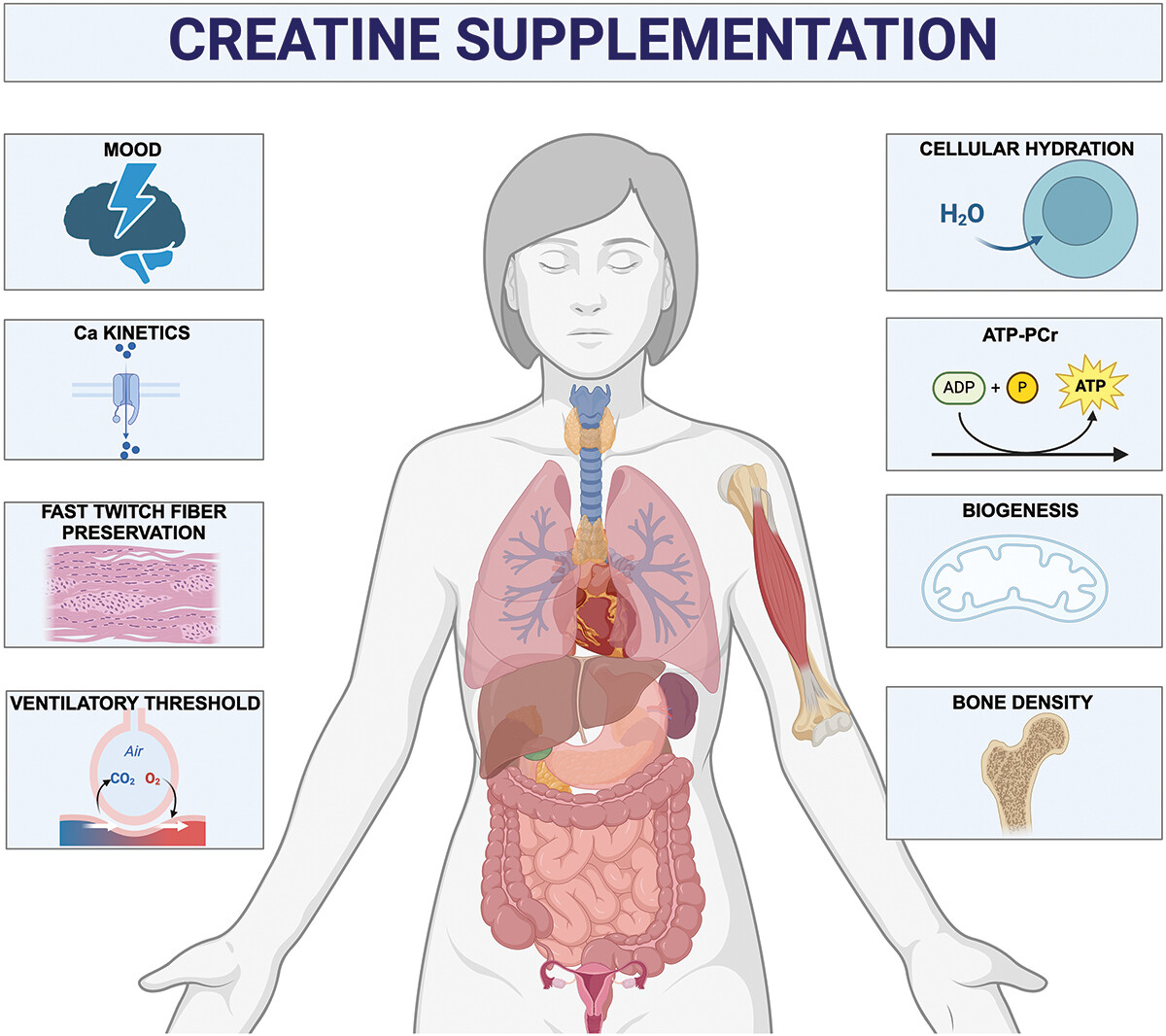
Figure 1. Reproduced from Ebbecke et al., 2025, International Journal of Sport Nutrition and Exercise Metabolism https://doi.org/10.1080/15502783.2025.2502094. Licensed under CC BY 4.0.
The Life-Stage Case for Women’s Creatine
Reproductive Years: Hormonal Fluctuation and Energy Demand
Creatine metabolism in women is not static. It changes constantly throughout the menstrual cycle. Estrogen levels and progesterone directly affect how the body synthesizes and absorbs creatine [1]. This volatility in creatine for women hormones justifies consistent use.
Taking steady daily doses of a high-quality creatine powder for women works best. It offers long term protection against natural hormonal drops. This is much more effective than ad hoc use restricted only to training windows.
Many women experience premenstrual fatigue. Others actively seek relief from creatine for women brain fog. For these consumers, understanding what does creatine do for women at a cellular level is vital. The phosphocreatine system rapidly resynthesizes ATP in both muscles and the brain. This process directly stabilizes energy drops.
Furthermore, creatine benefits for women extend to nighttime recovery. Supplementation improves total sleep duration in naturally menstruating women. This effect is especially strong when combined with resistance training days [6]. This recovery benefit goes well beyond the gym floor.
Perimenopause and Menopause: A Critical Window
The transition into menopause is a highly compelling case for creatine for perimenopause and creatine and menopause products. This is currently the largest underserved opportunity in the wellness market. As estrogen levels drop, women face many physiological changes. They lose lean muscle mass and experience shifts in body composition [3]. They also show declines in skeletal muscle function during the menopausal transition [4]. In addition, they face reduced bone structural integrity, poor sleep, mood shifts, and cognitive decline.
Brain fog is consistently ranked as a highly disruptive symptom by perimenopausal women. These physical issues are not isolated complaints. They share a common root cause, which is fading cellular energy metabolism.
This is where creatine works best. As a naturally occurring compound, it fixes energy issues at the cellular level. This multi-system profile is highly valuable for formulators. A single ingredient can address multiple consumer pain points at once. It meets the exact needs of consumers buying creatine for women over 40 and creatine for women over 50. It supports muscles and bones, metabolism, brain health, and recovery simultaneously.
The musculoskeletal evidence is strong. A 2-year randomized controlled trial focused on postmenopausal women. It combined creatine supplementation with regular exercise. The protocol did not significantly increase bone mineral density. However, it successfully maintained hip bone structural properties and produced greater gains in lean tissue mass and walking speed compared to a placebo [14].
Creatine is not a bone-density drug. Instead, it provides foundational support. It improves strength, mobility, and lean mass. These are the actual functional outcomes older women prioritize.
Industry experts agree on this approach. Dr. Sue Kleiner discussed this in a 2026 NutraIngredients interview [5]. She stated that the industry must fundamentally rethink how it messages creatine for women. Brands should move away from standard intense exercise messaging. They should focus on whole-body resilience across life stages.
Currently, there are no clinical trials focused solely on perimenopausal women. The perimenopause transition lasts 4 to 10 years before the final period. Hormonal volatility is highest during this time, yet it remains a research gap. For ingredient suppliers, this gap is a major commercial opportunity. Brands that build evidence-based messaging now will define the category early.
Cognitive and Mental Health Benefits: An Underexplored Dimension
Targeting creatine for women brain fog is a highly effective product strategy. The brain consumes massive amounts of energy. Its internal phosphocreatine system sustains cognitive performance during mental fatigue, sleep loss, or psychological stress [7]. For busy women facing professional roles and hormonal shifts, this is a vital benefit.
Clinical research confirms these mental health links. A randomized, double-blind, placebo-controlled trial yielded significant results. It found that creatine monohydrate supplements for women enhanced the response to SSRI treatment in patients with major depressive disorder [8]. This shows the ingredient's deep impact on female neurochemistry. Recent reviews suggest that creatine supports brain bioenergetics by restoring phosphocreatine levels [9].
Data from a meta-analysis show that creatine improves memory in healthy individuals, with stronger effects in groups with lower habitual dietary creatine intake, which likely includes many women [10]. Framing creatine around "cognitive energy" opens new markets. It moves the ingredient beyond an athletic tool for muscle growth. It fits perfectly into the growing segments for women's brain health and mood support.
Formulation Considerations for Women’s Creatine Products
The Dosage Question: Why 3g/day Is the Right Message
The classic loading protocol requires 20g/day for 5–7 days, followed by 5g/day. This was designed for male athletes. For everyday women, this heavy dose blocks product adoption. It causes stomach upset and feels unnecessary.
Science supports a gentler approach. A controlled study on resistance-trained individuals found that a 3g/day maintenance dose improved strength just as well as a 5g/day dose after 35 days [11]. When brands evaluate how much creatine a woman should take, a 3g/day maintenance dose is well supported by evidence for long-term use and adherence.
Lowering the daily gram of creatine target removes stomach discomfort. This addresses consumer fears about creatine side effects for women. It also reassures those using creatine for women weight loss strategies who worry about sudden water weight. A review confirmed that creatine monohydrate is entirely safe for long-term use at these physiological, recommended doses [12].
Solubility and Palatability: Removing Friction Points
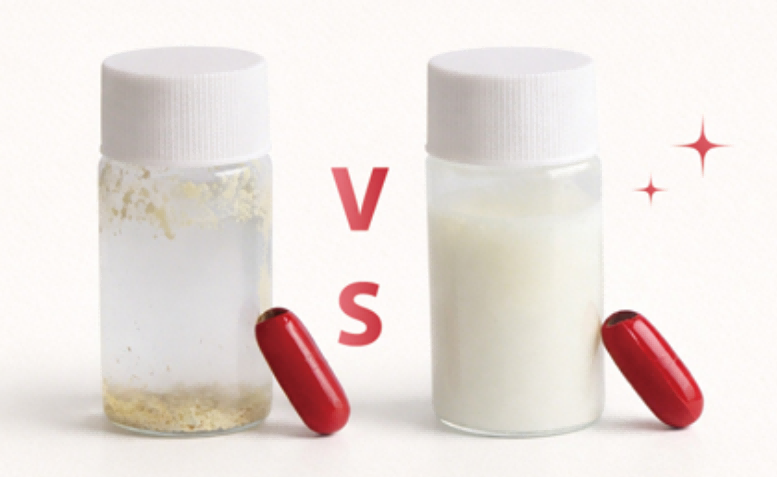
Standard creatine powder struggles with cold-water solubility—around 13 g/L at 25°C [13]—resulting in a gritty mouthfeel and sediment that discourages women from staying consistent. Modern female consumers expect their supplements to fit seamlessly into their day, whether that means dropping a stick pack into a morning smoothie or mixing at their desk between meetings.
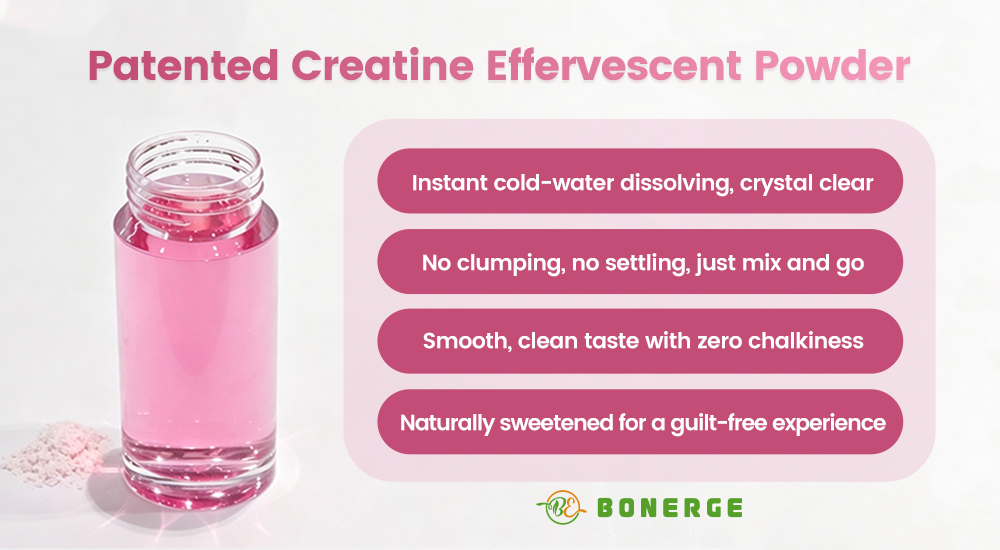
As a pioneer in women’s health nutrition, Bonerge Lifescience has moved ahead of the market with a new product launch: Bonerge Instant Effervescent Creatine Powder. This newly released ingredient solution is the first creatine format Bonerge has developed specifically for consumer-facing application needs, built on a proprietary effervescent technology that delivers faster dissolution, improved palatability, and enhanced shelf stability. Designed for real-life supplementation moments—commuting, at the office, post-workout, or at home—it brings a meaningful formulation upgrade for brands targeting female consumers.
Five Innovations That Redefine the Category
1. Nanoscale Processing for Superior Absorption. Conventional creatine particles are large and dissolve unevenly, placing high osmotic load on the gastrointestinal tract—a common cause of bloating and discomfort. Bonerge applies advanced nano-scale milling technology that reduces creatine monohydrate particle size to the nanometer range. This dramatically increases surface area, improves water dispersibility, and promotes more uniform distribution in the gut, reducing the risk of localized irritation.
2. Cold-Water Instant Dissolution. A 2026 review in Pharmaceuticals confirmed that while achieving fast-dissolving creatine monohydrate remains technically challenging, the application of physical methods and multi-technology combinations can simultaneously improve dissolution rate and solubility while preserving stability [13]. Bonerge’s nano-processing paired with its proprietary cold-water dissolution process is precisely this approach in action. No warm water required—Bonerge creatine fully disperses within three seconds, leaving no residue, no clumping, and no wall coating. This 3-second cold-dissolve design means creatine fits naturally into any beverage, at any time—commuting, post-workout, or at home.
3. Effervescent Fruit Flavors That Break the “Chalky” Stereotype. Market data shows that flavored products account for over 40% of branded creatine sales, and flavor innovation represents 42% of industry R&D activity. Bonerge integrates fruit-forward flavor profiles with a light effervescent mouthfeel, transforming each serving into a refreshing, enjoyable drink. The result is a product that women actually look forward to taking—critical for the long-term compliance that underpins real clinical outcomes.
4. Purity Above Standard. Purity is a major differentiator for premium brands. The Chinese national standard for creatine monohydrate sets a minimum purity threshold of 99.97%. Bonerge Instant Effervescent Creatine consistently exceeds this benchmark, with creatine monohydrate purity maintained at ≥99.99%—a meaningful margin that directly supports clean-label positioning and appeals to discerning formulators and brand owners.
5. Zero Sugar, Low Calorie. As sugar reduction and calorie control become baseline consumer expectations, Bonerge’s effervescent creatine formula is designed with zero added sugar and a low-calorie profile. It integrates into any dietary approach—weight management, metabolic health, or active lifestyle—without disrupting the user’s nutritional targets.
Summary: Key Takeaways for Formulators
Women are a highly valuable, underserved consumer group. They have lower baseline stores and face hormone-driven energy shifts [1]. Life stages like menopause create a strong need for targeted products. Brain health and sleep data expand the marketing focus far beyond sports performance.
For product development:
Creatine monohydrate for women remains the gold standard form. It has the best safety and efficacy data.
A dose of 3g/day is scientifically backed. It improves compliance and eliminates stomach issues for non-athletes.
Micronized options solve the solubility and grittiness problems that previously kept women away.
Cognitive energy and hormone support are powerful new marketing pillars with strong clinical backing and high consumer appeal.
The science is ready and the market is moving. Formulators should build a premium position now rather than trying to catch up later.
This article is for informational purposes only and does not constitute medical advice. Please consult a qualified healthcare provider before starting any new supplement or treatment regimen.
References:
[1] Smith-Ryan AE, DelBiondo GM, Brown AF, Kleiner SM, Tran NT, Ellery SJ. Creatine in women's health: bridging the gap from menstruation through pregnancy to menopause. J Int Soc Sports Nutr. 2025;22:2502094.
[2] Ostojic SM, Stea TH, Ellery SJ, et al. Association between dietary intake of creatine and female reproductive health: evidence from NHANES 2017-2020. Food Sci Nutr. 2024;12:4893–4898.
[3] Greendale GA, Sternfeld B, Huang M, et al. Changes in body composition and weight during the menopause transition. JCI Insight. 2019;4(5):e124865.
[4] Bondarev D, Finni T, Kokko K, et al. "Physical Performance During the Menopausal Transition and the Role of Physical Activity." J Gerontol A Biol Sci Med Sci. 2021;76(9):1587–1590
[5] Stern C. “Industry Must Rethink Creatine Messaging for Women”: Dr. Sue Kleiner. NutraIngredients, 7 Apr. 2026.
[6] Aguiar Bonfim Cruz AJ, Brooks SJ, Kleinkopf K, et al. Creatine improves total sleep duration following resistance training days versus non-resistance training days among naturally menstruating females. Nutrients. 2024;16(16):2772.
[7] Candow DG, Forbes SC, Ostojic SM, et al. “Heads up” for creatine supplementation and its potential applications for brain health and function. Sports Med. 2023;53(S1):49–65.
[8] Lyoo IK, Yoon S, Kim T-S, et al. A randomized, double-blind placebo-controlled trial of oral creatine monohydrate augmentation for enhanced response to a selective serotonin reuptake inhibitor in women with major depressive disorder. Am J Psychiatry. 2012;169(9):937–945.
[9] Roschel H, Gualano B, Ostojic SM, et al. Creatine supplementation and brain health. Nutrients. 2021;13(2):586.
[10] Prokopidis K, Giannos P, Triantafyllidis KK, et al. Effects of creatine supplementation on memory in healthy individuals: a systematic review and meta-analysis of randomized controlled trials. Nutr Rev. 2023;81(4):416–427.
[11] Vilar Neto JDO, da Silva CA, Lima AB, et al. Effects of Low-Dose Creatine Monohydrate on Muscle Strength and Endurance. Asian J Sports Med. 2018;9(3):e62739. doi: 10.5812/asjsm.62739.
[12] Nicolle L. From Loading to Long-Term: What the Science Says About Creatine Safety. NutraIngredients, 29 Apr. 2026.
[13] Albagachiev SA, Pinegina ED, Sadkovskii IA, Krasnyuk II, Mandrik MA. State of the Art and Development Trends in Obtaining Fast-Dissolving Forms of Creatine Monohydrate. Pharmaceuticals. 2026;19(1):128. doi:10.3390/ph19010128.
[14] Chilibeck PD, Candow DG, Gordon JJ, Duff WRD, Mason R, Shaw K, Taylor-Gjevre R, Nair B, Zello GA. A 2-yr Randomized Controlled Trial on Creatine Supplementation during Exercise for Postmenopausal Bone Health. Med Sci Sports Exerc. 2023;55(10):1750–1760. doi: 10.1249/MSS.0000000000003202





 +1(425)866-9043
 sales@bonerge.com